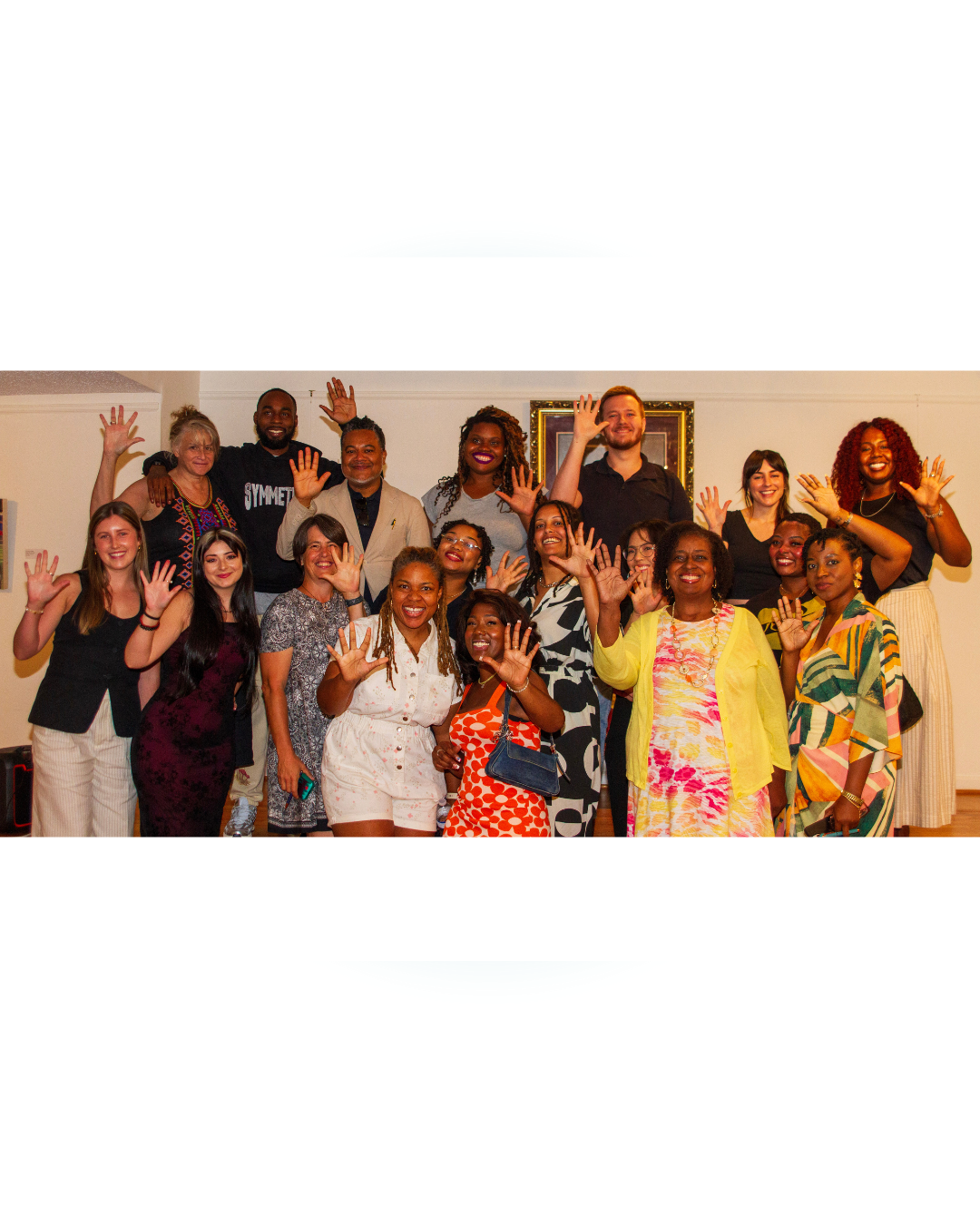
We are excited to launch our first-ever Innovation Lab to further support Fellows and their communities. We asked our entire cohort of Fellows to submit projects that envisioned what the future of community journalism could look like. Out of those applications, a committee of editors and community members chose five Fellows who will spend the first part of 2025 working on their projects.

When we launched Canopy Atlanta four years ago, we envisioned a future where community members had the opportunity and training to tell their own stories, where neighborhoods had people they knew sharing news and information with them.
That vision has exceeded our wildest dreams. Thirty-six Fellows from seven communities have completed our fellowship program, and many of them have taken advanced training. More than 80 percent of them stay involved with our work—doing listening work, writing, and leading trainings of their own. These writers, storytellers, photographers, and producers tell the stories of their communities as trusted members of their networks.

Building on the success of our fellowship program, we are excited to launch our first-ever Innovation Lab to further support Fellows and their communities. We asked our entire cohort of fellows to submit projects that envisioned what the future of community journalism could look like. Out of those applications, a committee of editors and community members chose five Fellows and five projects that will be completed in 2025.
The projects include preserving and documenting greenspaces, connecting communities to legal aid, mapping and telling the stories of DIY artists, creating resource guides for elderly community members, and connecting folks to community experts. They’ll talk to their neighbors and mentors to build out these projects and learn new skills like podcasting, mapping, and resource building.
Read on to learn more about the projects and the Fellows who will execute them.
The Green Space Edition
The Project
“When all the trees have been cut down, when all the animals have been hunted, when all the waters are polluted, when all air is unsafe to breathe, only then will you discover you can’t eat money.” North American Indigenous Cree prophecy
In some areas of Atlanta, parks and other green spaces are often taken for granted or overlooked. In today’s busy environment, green space and parks can become critical sanctuaries for both people and the planet. There is a real overlap between environmental justice, parks, community gardens, green roofs, and urban forests. We can no longer afford to just view them as places of leisure or optional spaces. They are essential components of a sustainable future. Properly managing green spaces does more than beautify our city; they actively improve mental health, reduce urban temperatures, increase biodiversity, and play a key role in combating climate change.
This project will take a hyper local look at green spaces through the eyes of the community, and document how parks have shaped the past, present, and future of Atlanta.
Why this project?
I want to bring in community voices from the areas surrounding these parks. I hope to help make a connection between our physical and mental health and the importance of parks in our communities.
“Man does not weave this web of life. He is merely a strand of it. Whatever he does to the web, he does to himself.”
What do you hope to accomplish?
To amplify the voices of communities of color and other underserved communities around access and green space equity. To inspire policymakers, city planners, and citizens to value and advocate for green spaces, highlighting their essential role in building a sustainable, livable future. I would like to inspire people to consider themselves a part of the natural environment and not separate from it. Let’s all learn to hug trees!
The Fellow
Genia Billingsley is an Atlanta native who enjoys reading and spending time with family and friends. She came to Canopy Atlanta as a Community Editorial Board member and Fellow from the Bankhead Community Issue. She is presently on the community engagement team. Prior to Canopy Atlanta, Genia worked as an operations manager for an insurance company.

DIY Arts Events Archive
The Project
A digital database capturing Atlanta’s DIY arts and music scene, the project will document past and current local events and cultural spaces in neighborhoods covered by Canopy Atlanta. This multimedia archive would include music, visual art, oral histories, maps, and memorabilia like posters and promotions, helping residents document performances, organizers, attendees, and the impact on the community. Through multimedia elements, crowd-sourced contributions, and a weekly newsletter, the archive aims to preserve Atlanta’s cultural heritage, elevate marginalized voices, and strengthen community ties.
Why this project?
I want to create this archive to preserve and spotlight Atlanta’s unique DIY arts and music scene, capturing the voices and stories often overlooked in mainstream narratives. As a journalist, I see this as a way to document and celebrate our city’s cultural heritage while fostering a deeper sense of community pride and engagement.
What do you hope to accomplish?
I hope this project uplifts Atlanta’s diverse creative culture, preserving stories that often go untold, and strengthens our city’s cultural memory. By creating a space where residents can share their experiences and perspectives, I hope to support community connections, encourage civic engagement, and advocate for issues that impact Atlanta’s artists, from arts funding to environmental and housing justice.
The Fellow
Naya Clark is a culture writer and copywriter who comes up with the right words for businesses and publications—but mostly for people. She joined Canopy Atlanta as a West End Fellow and remains involved through the Cost of Living Project and other writing opportunities.
``Sis, you ATE that!`` or Ask The Experts
The Project
My project will be an interactive lecture and panel series where community members in metropolitan Atlanta can gather to discuss issues that have been reflected in the news. We will ask experts from non-profits, universities, and government agencies to share a presentation on relevant topics. We will then ask community members to engage in conversations about how we can address these issues. Community members can share their perspectives, questions, and experiences to fellow attendees and the expert panel. These conversations will be held at various meeting spaces across the city, and the sessions will be recorded for an upcoming podcast.
Why this project?
I want to complete this project because this will be an opportunity for experts and community members to gather in an informal, yet purposeful environment. These conversations will be symbiotic and ongoing. Experts and community members alike can share information about issues and news topics that are significant and relevant.
What do you hope to accomplish?
I see this is an opportunity for community members, academics, and working professionals to continue important conversations. This will be a chance to learn from folks from different walks of life while finding solutions to issues that impact all Atlantans.
The Fellow
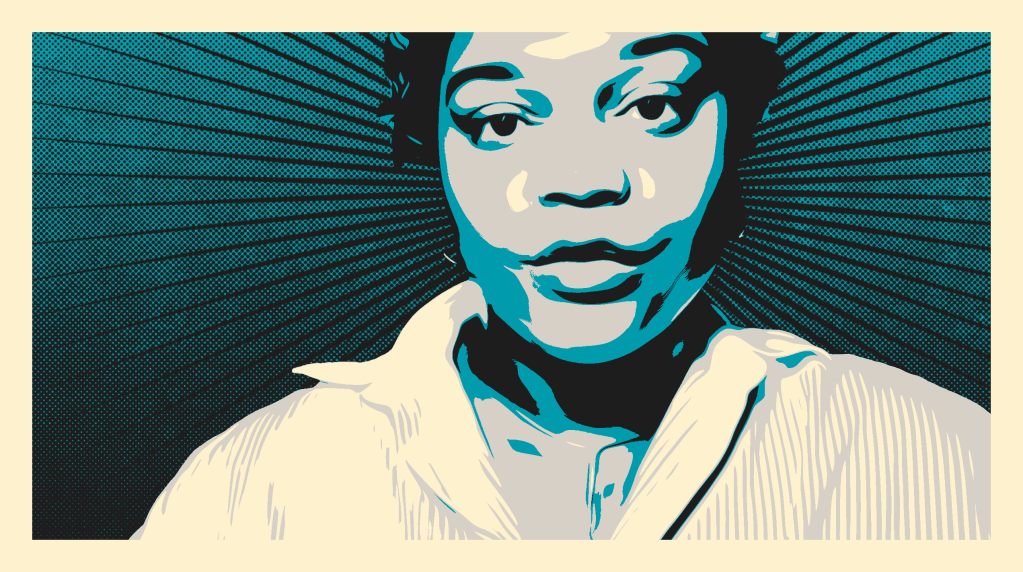
Nzingha is a Southern community journalist with bylines in Scalawag Magazine, Canopy Atlanta, and The Guardian UK. She was part of the West End Fellowship and the Election Fellowship. She also does community listening for Canopy Atlanta.

The Pathway to Thrive
The Project
My project is a guide created for Atlanta’s older adults who have faced displacement and are now navigating the challenges of aging in place. It gathers essential resources on affordable housing, healthcare, food access, and community engagement, providing a clear, practical roadmap for seniors. Through interviews and peer-to-peer insights, the project empowers seniors to access the support they need to thrive. Additionally, the guide emphasizes restoring a sense of belonging for those who once lost it. By having all this information in one place, seniors may feel empowered to make informed choices, find support, and engage in the community they helped shape, creating a resource that respects their resilience and enhances their ability to thrive.
Why this project?
I want to complete this project because I’ve seen firsthand how limited access to resources can isolate seniors and make aging in place difficult, especially for those who were displaced by the city’s housing policies. “The Pathway to Thrive” is my way of honoring their resilience and helping them reclaim a sense of community.
What do you hope to accomplish?
I hope my project will become a trusted resource for Atlanta’s older adults, helping them find affordable housing, access healthcare, and reconnect with their community. By sharing peer advice from seniors who’ve navigated these systems, I aim to make a short guide both practical and relatable. Ultimately, I hope this project will foster a sense of belonging and empower seniors to take control of their well-being.
The Fellow
Mike Rouse has called Atlanta home for the past 17 years, living in various parts of the city. He was a South DeKalb Fellow, where he wrote about food access. In his spare time, he enjoys reading, any outside activity with water, and is currently learning sound bath mantras for meditation.
From Struggles to Solutions
The Project
My project is solution-oriented and aims to bridge the gap between journalism and the law. Building on the extensive community surveys we’ve conducted, I plan to identify and prioritize the key issues facing community members in Atlanta and across the Metro-Atlanta area—particularly those whose voices we’ve captured through interviews. I will then collaborate with legal nonprofits, pro bono and private attorneys, and social services organizations to address these challenges. By streamlining these issues and gathering expert insights and resources, I will present actionable solutions through workshops, blogs, and social media platforms.
Countless times in Atlanta, I have witnessed how often language barriers, race, and poverty rob us of equal protection of the law. My mother worked for 15 years in a poorly conditioned packaging factory until she was unjustly fired; my neighbor was disenfranchised from voting because a judge ruled that she was intellectually disabled when she simply did not speak English; a worker who was not compensated for a head injury at work because he could not afford a lawyer; black and brown communities being forced to move out by the government, etc.
As a law student, I learned that there are legal remedies to these injustices that people are unaware of. I believe that if we inform our local residents of this knowledge, they will make better decisions and be more equipped to stand against structural injustice. I hope to produce a series of stories with real life examples of legal or policy-based solutions.
Why this project?
As journalists, we have the privilege of amplifying the voices of countless individuals whose struggles deserve to be heard. Yet, after their stories are told, what happens next? Too often, it feels as if we’re merely capitalizing on their hardships without providing a path to real change. This project seeks to bridge that gap by equipping community members with the essential legal tools needed to turn stories of struggle into solutions. By empowering those affected with the knowledge and resources to take action, we can help transform awareness into tangible change.
What do you hope to accomplish?
Through this project, I hope to empower everyday people by equipping them with the knowledge and resources they need to assert their rights. The issues we’ll address include employment rights, traffic violations, unlawful police interactions, and educational challenges—showing how the law can provide practical remedies. As a law student, I’m often struck by how much legal knowledge is kept out of reach for the general public. This project seeks to change that by demystifying the law and helping people understand their rights.
This isn’t about encouraging people to sue one another; it’s about empowering them to say, “This is my right, and I expect it to be respected, or there will be legal consequences.” For instance, even as a law student, I’ve helped friends navigate workplace terminations and secure financial settlements ranging from $5,000 to $20,000—simply by sharing basic legal knowledge. This experience reinforced my belief that knowledge is key.
``It’s about empowering them to say, 'This is my right, and I expect it to be respected, or there will be legal consequences.'``
The Fellow
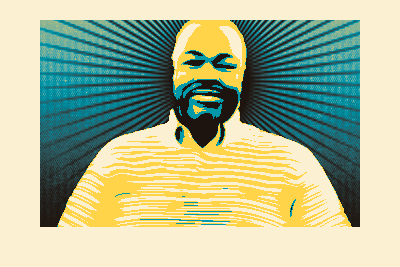
Angelina Uddullah is passionate about convening writing, law, and education to further human rights and sustainability. Reared along the corridors of Buford Highway, Angelina joined Canopy Atlanta to amplify the concerns and hopes of her diverse community members through journalism. She is a mother and a first generation student at Georgia State Law school. Her activism and writing have been featured in Canopy Atlanta, NPR, the LA Times, the Earth Institute, and the International House of New York.

Editor: Mariann Martin