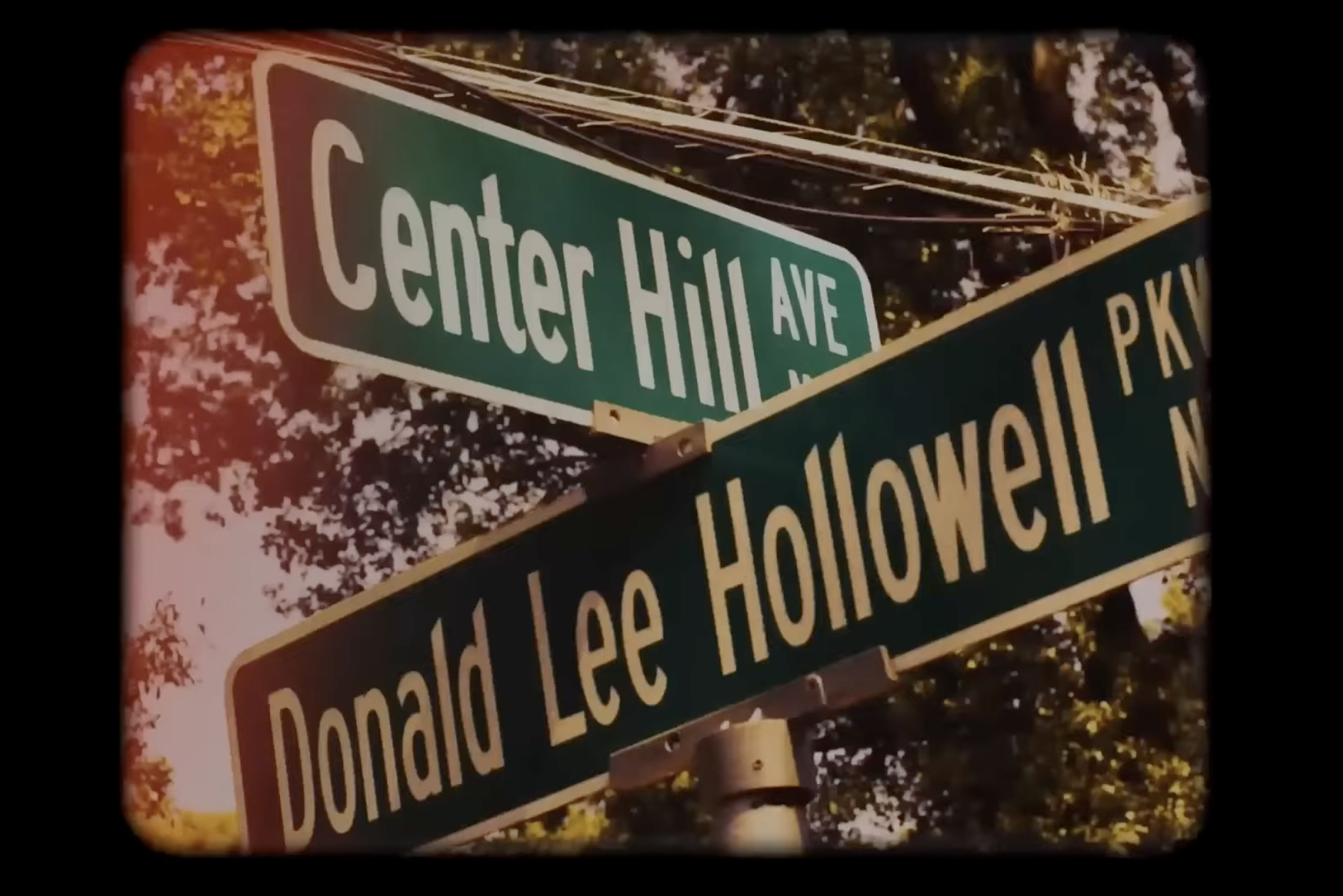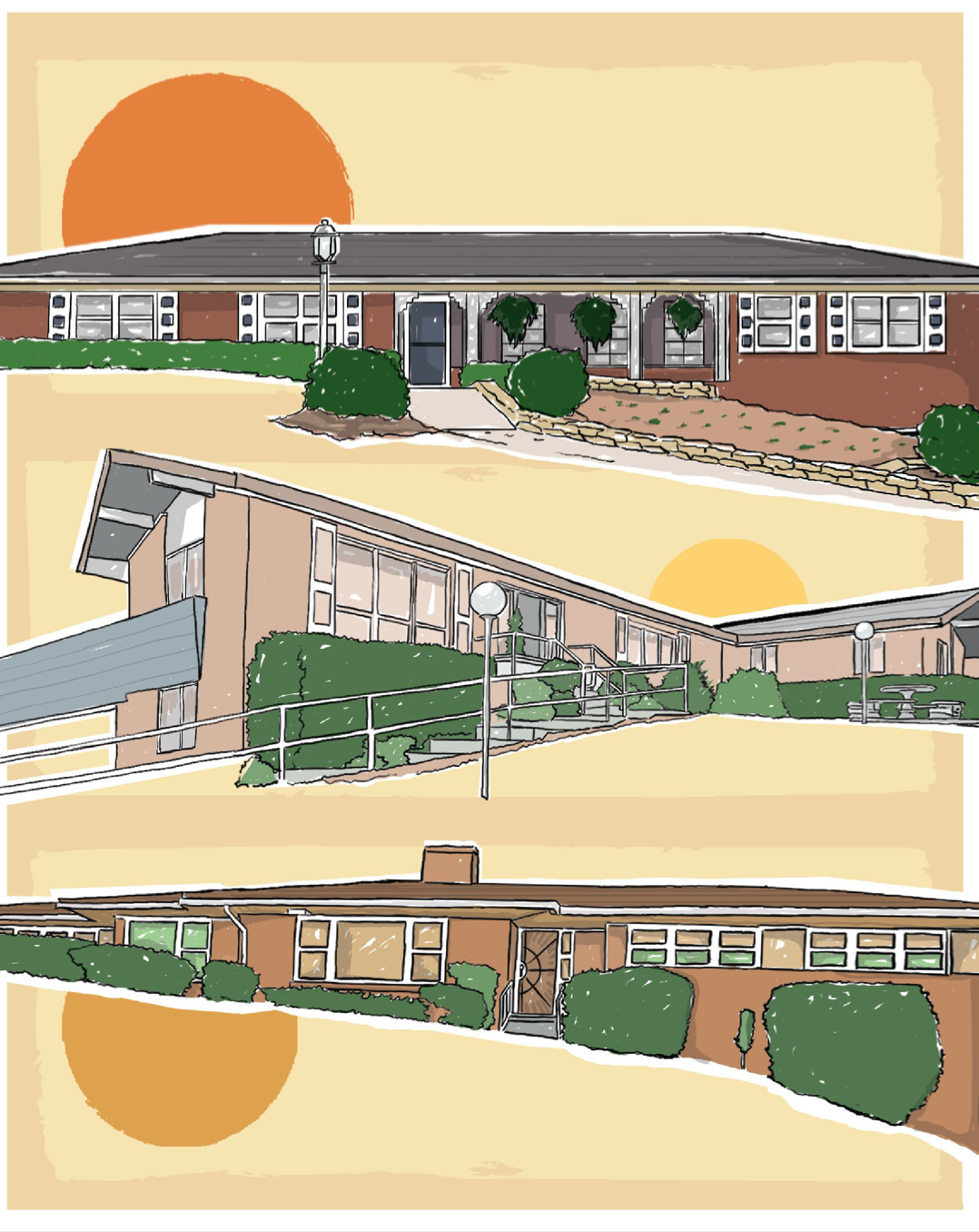
Canopy Atlanta asked over 90 Collier Heights community members about the storytelling they needed in their community. In those conversations, neighbors share about the uniqueness of the houses in the neighborhood. One person said, “I remember spacious bedrooms with lots of natural light and beautiful hardwood floors. I believe the home made such an impression on me because the space was so radiant, yet charmingly serene.” Another said, “Basements have open designs…so people could have parties, have dinners. The average home looks single story, but if you go behind it, the topography of the land is hilly, but most of the homes are 2-3 stories high.” This story emerged from those memories they shared.
Canopy Atlanta also trains and pays community members, our Fellows, to learn reporting skills to better serve their community. Damius Smith, a reporter on this story, is a Canopy Atlanta Fellow.

The houses of Collier Heights have held Sunday dinners and the memories of phone calls connecting neighbors. They held men who came back from the war, and mothers who filled the house with the sweet scent of cornbread. Children played outside with one another with dirt that aged them and grasses that filled their noses with life.
The well-being of Collier Heights is important to me because I have friends who have lived in the neighborhood. That way, I heard stories of what it’s like to live there and also talked about the well-being of the houses themselves. These homes weren’t just buildings; they were proof of Black excellence and progression.

I started looking at these homes when I realized that it was more than just a neighborhood—it was history. Everything about it screamed pride and strength to me, and within a community like Collier Heights, architecture is what brought that pride and unity.
It’s rare to see places that are designed by and for Black people, and that is why it stirs my imagination. The different designs embedded in each house tells a story. From American Small Houses, to ranches, to mid-century—it focuses on the symbolic power of the neighborhood. It’s more than just history in the past; it’s an aspirational neighborhood.
Now imagine: you’re a 35-year-old Black man looking for stability and pride, and let me show you something as rare as an emerald—a house that stood firm through thick and thin. This isn’t just three beds and two baths, it is a home that hosted activities, held Sunday dinners, and gave others shelter. The walls held freedom and dreams and gave shelter to the people who belong to that legacy.
The houses of Collier Heights


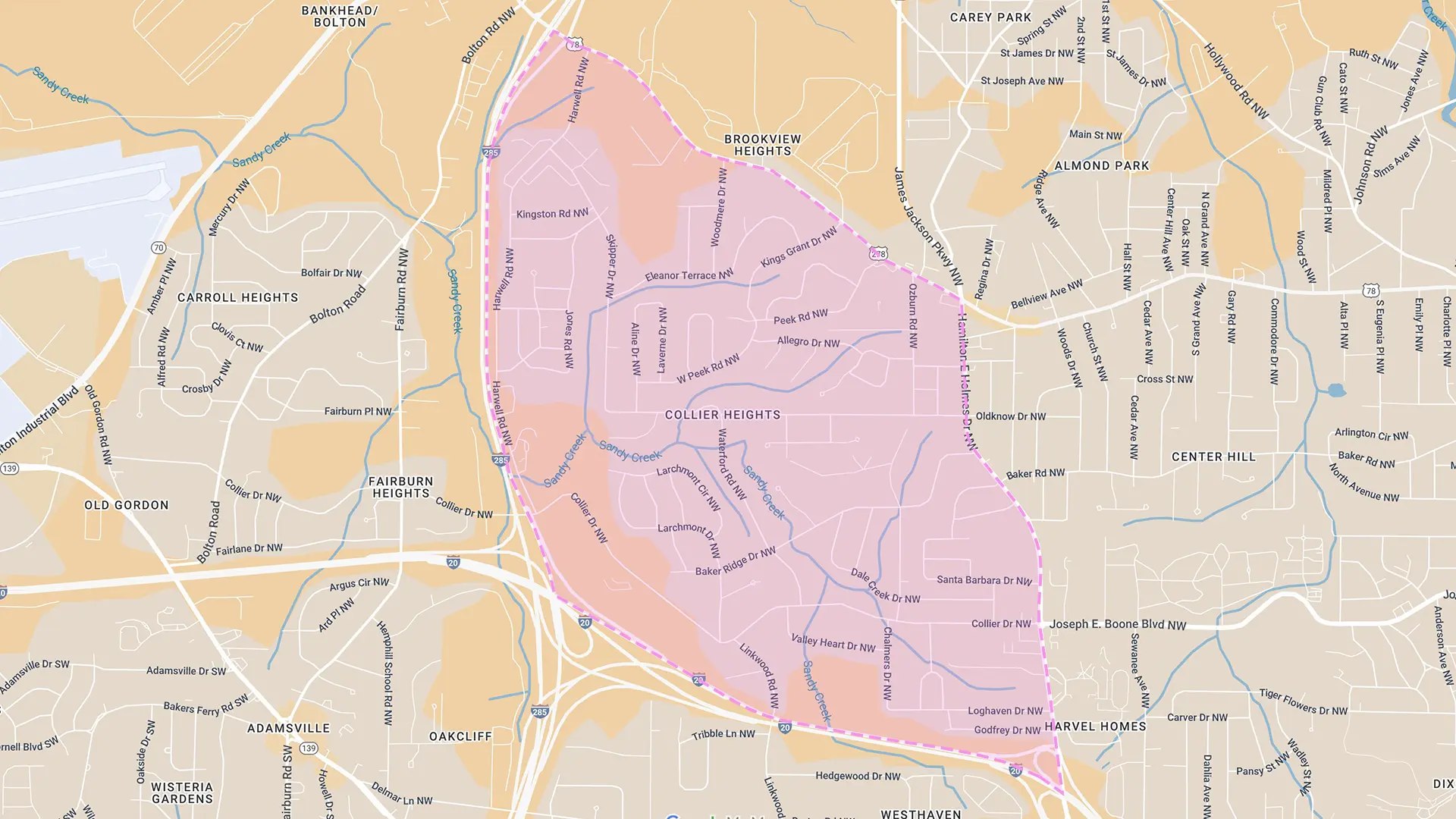
Through a selection of seven different homes, we will walk through and learn the story of Collier Heights beyond the people who called it home, learning from the faint smell of wood polish and linoleum on the kitchen floor. The walls may stand thin, but hold the memory of shouting matches, Motown records, and whispering prayers.
2576 Godfrey Drive
Location

Facts
Style: American Small House
Built: 1950
Listen
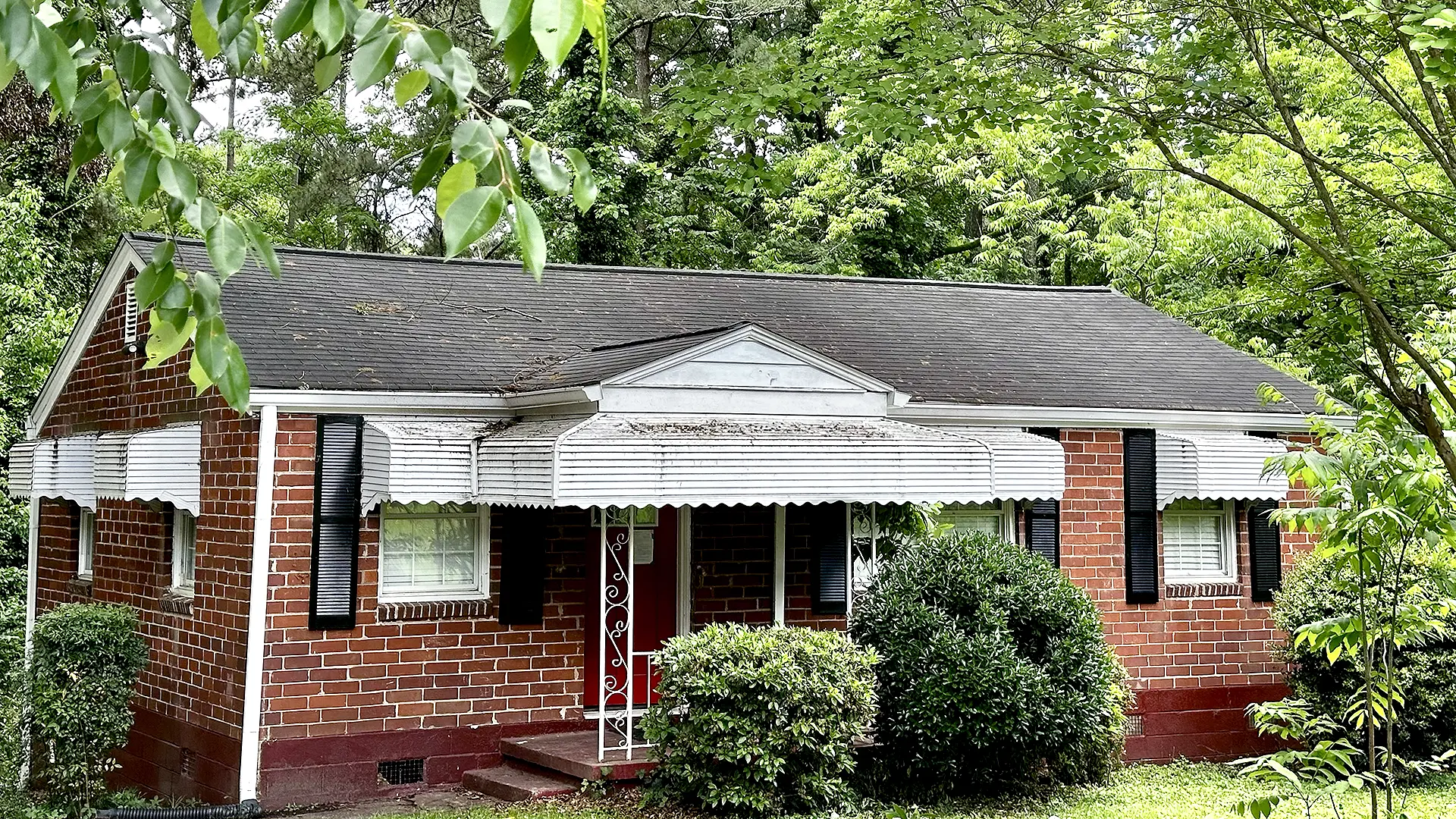
The first house I decided to chase was this one in the Loghaven Heights subdivision, at 2576 Godfrey Drive. Built in 1950, the architectural style was known as American Small House, with the homes marketed mainly towards white, World War II veterans. Armed with their GI Bill, they were returning to an intense housing shortage across America. The American Small House was cheap and economical to build, and these houses line Godfrey Drive, which is just off Hamilton E. Holmes Drive. Looking at this house, I could almost smell old diesel from the lawn.
The house I chose tells the earliest history of Collier Heights. You can see this in “For Sale” and “For Rent” ads in white newspapers like the Atlanta Journal and the Atlanta Constitution. It wasn’t until 1954 that those ads began to appear in the Atlanta Daily World, a Black newspaper, signaling the switch of Godfrey Drive from white to Black. Regardless of race, these homes were marketed and sold to the working class.
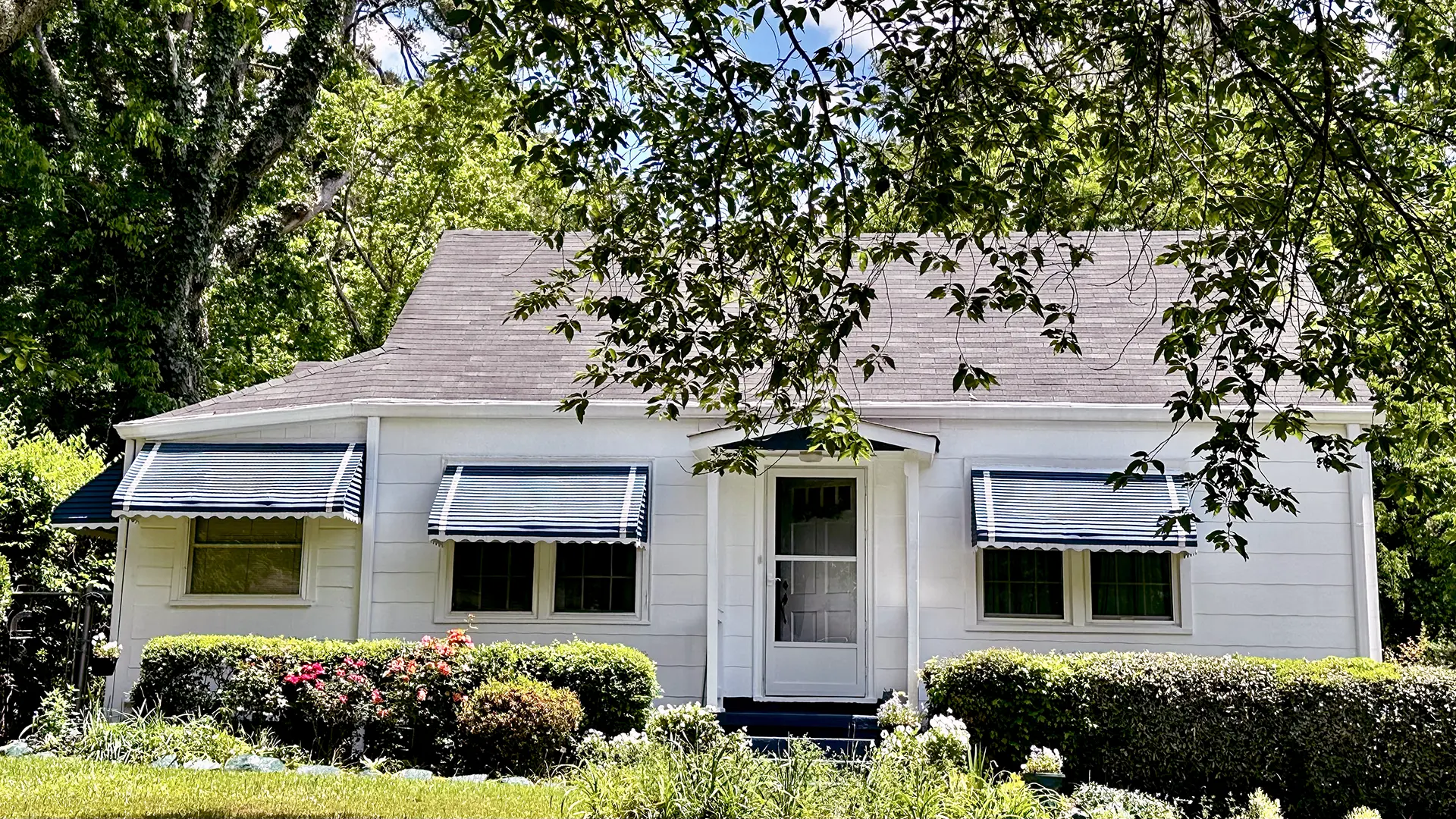
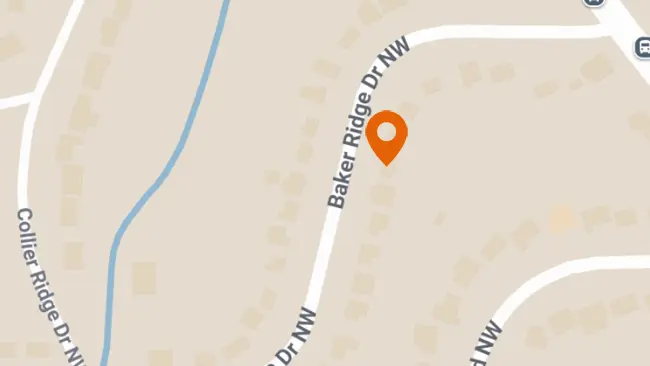
2636 Baker Ridge Drive
Location
Facts
Style: American Small House
Built: 1951
Notable owners: Roland and Willie Lane
Listen
Moving on to another American Small House built in 1951 and located at 2636 Baker Ridge Drive. Just like Godfrey Drive, the start of Baker Ridge Drive was just off of Hamilton E. Holmes Drive and first marketed to white veterans. I found confirmation in white newspapers at the time and found the first homeowner, William Roach, who was a white veteran. In 1953, it was bought by James Daniel Henderson, another white man. By 1954, the house was bought by the Lane brothers—Roland and Willie Lane—who were Black and working class.
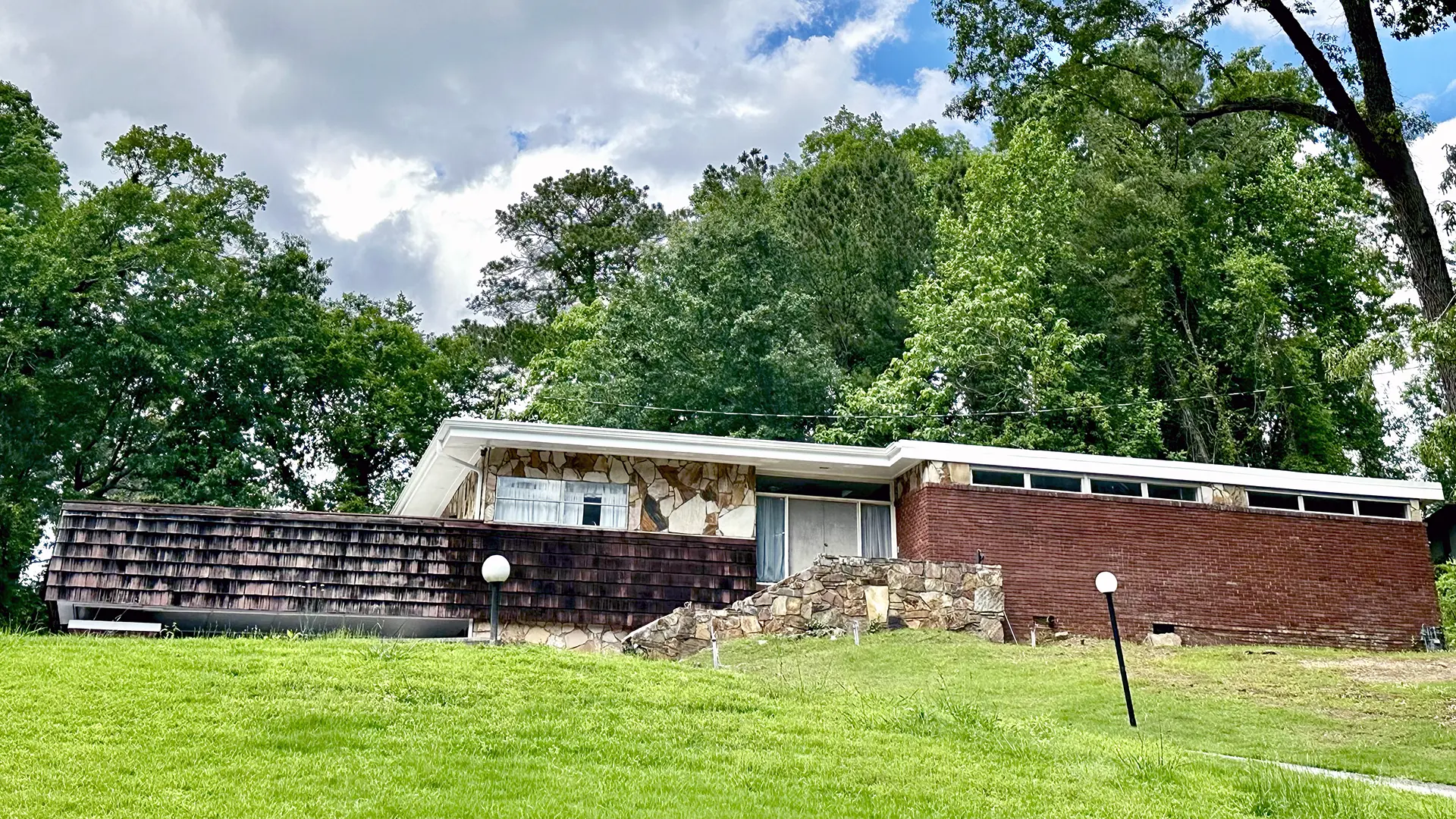
2785 Engle Road
Location

Facts
Style: Rambler Ranch
Built: 1956
Listen
As we get deeper into Collier Heights, the homes begin to match the history of the people—being built by and for Black Atlantans, with the majority of them middle and upper class. The later half of the 1950s bring styles that look more eccentric and creative, as seen with this house at 2785 Engle Road, built in 1956. This architectural build is called the Rambler Ranch, and its a mix of materials—brick, stone and wood shingle. It was originally owned by the Cannon family, and today the home belongs to the Abernathy family.
2851 Baker Ridge Drive

Location
Facts
Style: Alphabet Ranch
Designer: Joseph W. Robinson
Notable owners: Earl and Sara Starling
Listen
Now this is where things get insanely creative and alluring. This house is a round house, literally, at 2851 Baker Ridge Drive. It was designed by Joseph W. Robinson, who founded one of the first few Black-owned architecture firms. Because of Jim Crow Laws, it was difficult for Black architects to be licensed, but private homes in Atlanta did not require architecture licenses, so Robinson designed hundreds of homes across the city in the 50s and 60s. Robinson was a teacher at Booker T. Washington High School in Atlanta.
The round house is an Alphabet Ranch—getting its name from the fact that it is shaped like the letter “O” when seen from above. This is one of the most unique houses located in the Crestwood subdivision of Collier Heights and was originally owned by Sara Starling and her husband, Earl Starling, a former band director at Booker T. Washington. It’s not hard for me to imagine Earl Starling and Robinson working together at Washington High and dreaming up the ideas of the most creative house in the entirety of Collier Heights.
529 Waterford Road
Location
Facts
Style: Courtyard Ranch
Built: 1957
Notable owners: Lorimer Douglas and Mildred Eloise Murphy Milton
Listen
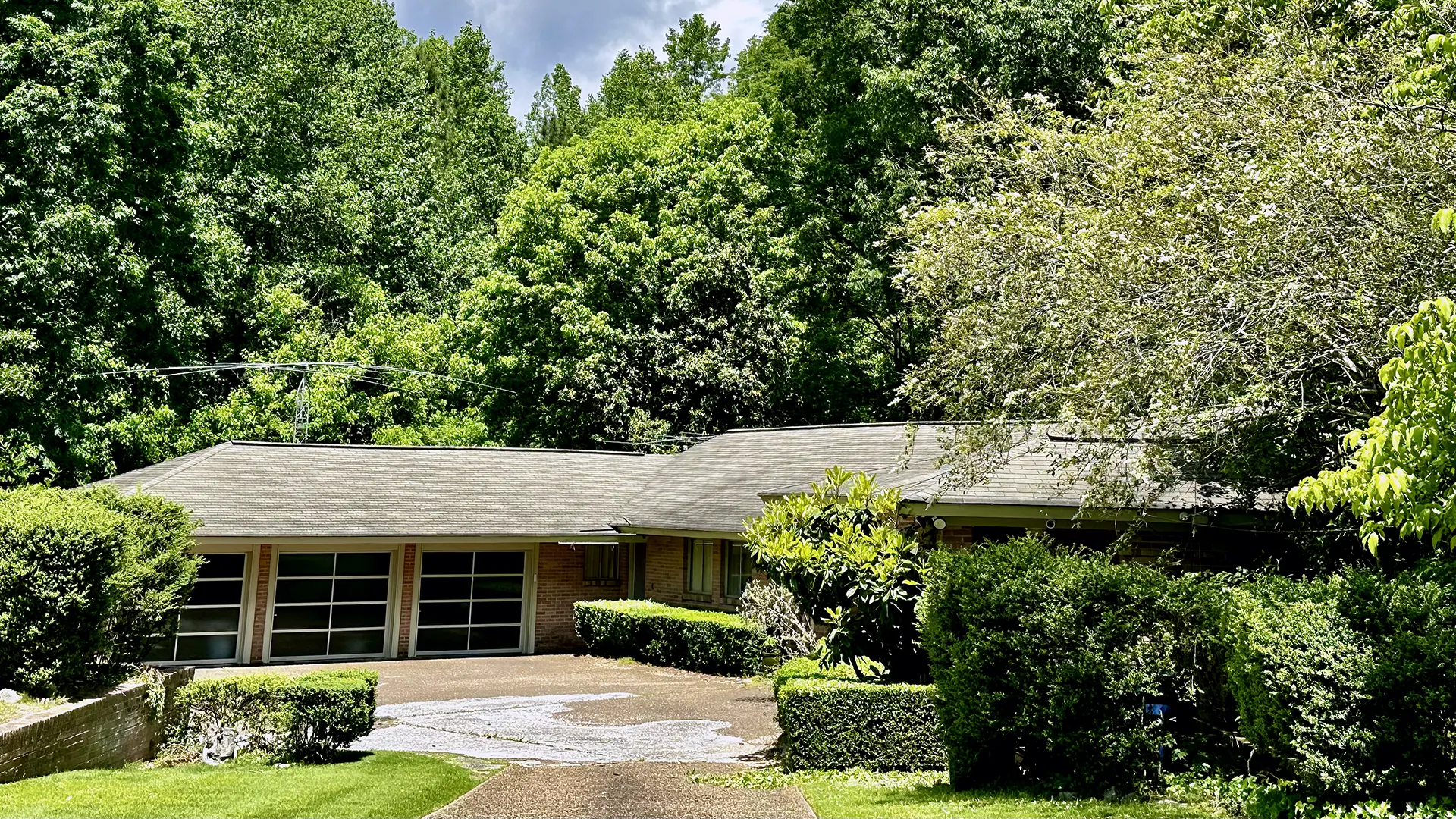
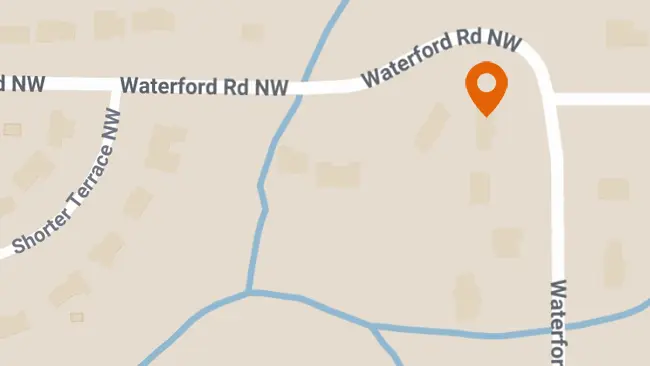
As I mentioned earlier, the late 50s housing styles became grander and more rambling, matching the prominent Atlantans that were commissioning them to be built. In 1957, this beautifully styled house at 529 Waterford Road was built as a Courtyard Ranch. Named because it contains a courtyard framed by projecting wings at the front or rear end of the house. This complex shaped structure is usually centered with an entrance and provides zoning for interior spaces.
The house was first home to Lorimer Douglas and Mildred Eloise Murphy Milton, as well her mother, Eleanor Murphy. Lorimer Milton was co-owner of Yates and Milton Drugstore, president of Citizens Trust Bank, and a professor at Morehouse College.
558 Larchmont Drive

Location
Facts
Style: Mid-century modern/Alphabet Ranch
Built: 1960s
Notable owners: Rev. Daniel C. and Dorothy Cotton Johnson
Listen
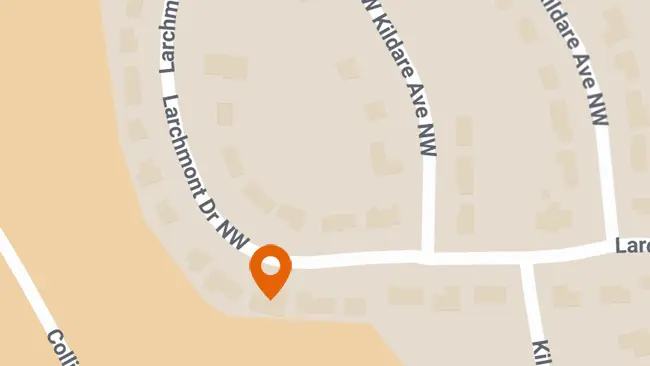
The 1960s is where things start to come to a more modern standpoint, such as this house at 558 Larchmont Drive. This architectural style is called a mid-century modern house and an Alphabet Ranch, taking the shape of an “L” when looked from above. This house has been owned by Rev. Daniel C. and Dorothy Cotton Johnson. The large picture windows on many of these ranch homes were designed to display (and maybe brag) what the owners had inside—whether it be the latest modern furniture or other items.
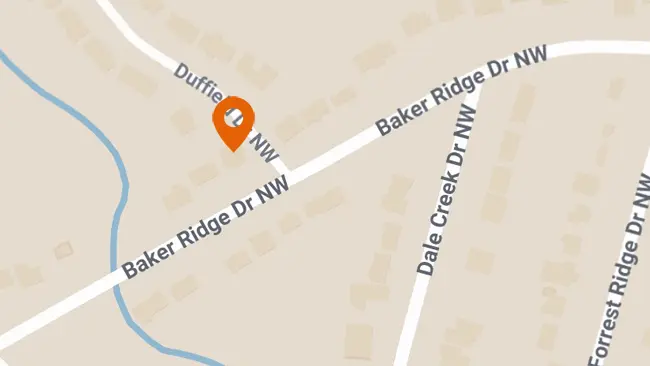
827 Duffield Drive
Location
Facts
Style: Split-level
Built: 1987
Notable owner: Essie Crowley
Listen
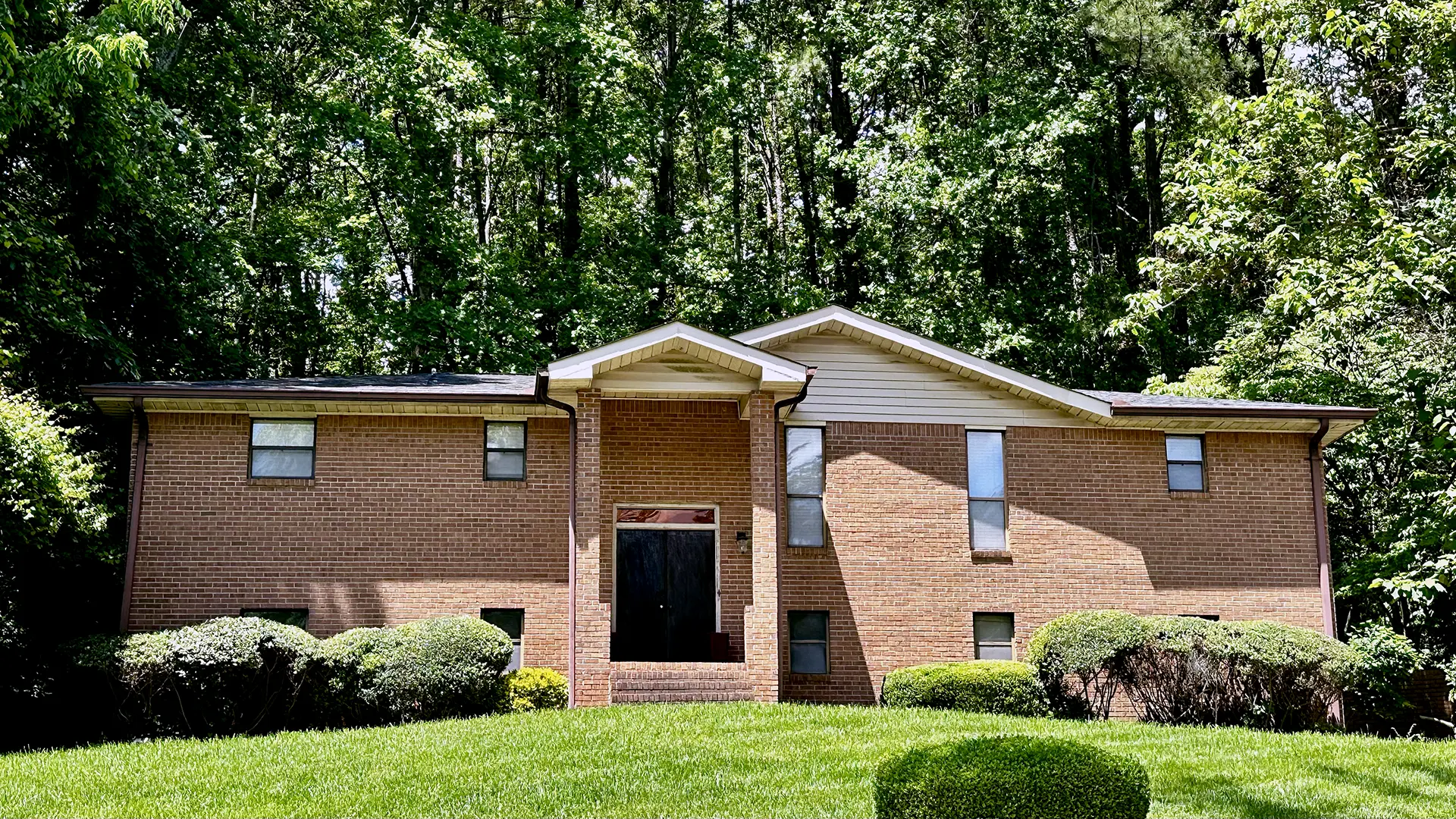
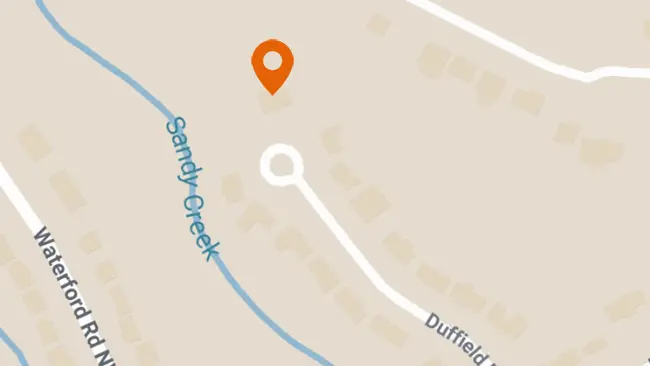
The designs of houses began to drastically change into the 80s, but that doesn’t take away from what these homes leave within families. This house located at 827 Duffield Drive is a beautiful split-level home built in 1987. It is owned by Essie Crowley—a family member of Crowley’s Cleaning Co. Records show she’s lived there since it was built, which matches the pattern of Collier Heights residents retaining their property for decades and often leaving them in the family.
Editors: Ann Hill Bond and Mariann Martin
Fact Checker: Ada Wood
Readers: Genia Billingsley and Stephanie Toone
I hope this story leaves you inspired by the power of community-focused journalism. Here at Canopy Atlanta, we're driven by a unique mission: to uncover and amplify the voices and stories that often go unheard in traditional newsrooms.
Our nonprofit model allows us to prioritize meaningful journalism that truly serves the needs of our community. We're dedicated to providing you with insightful, thought-provoking stories that shed light on the issues and stories that matter most to neighborhoods across Atlanta.
By supporting our newsroom, you're not just supporting journalism – you're investing in Atlanta. Small and large donations enable us to continue our vital work of uncovering stories in underrepresented communities, stories that deserve to be told and heard.
From Bankhead to South DeKalb to Norcross, I believe in the power of our journalism and the impact it can have on our city.
If you can, please consider supporting us with a small gift today. Your support is vital to continuing our mission.
Floyd Hall, co-founder