The Spaces
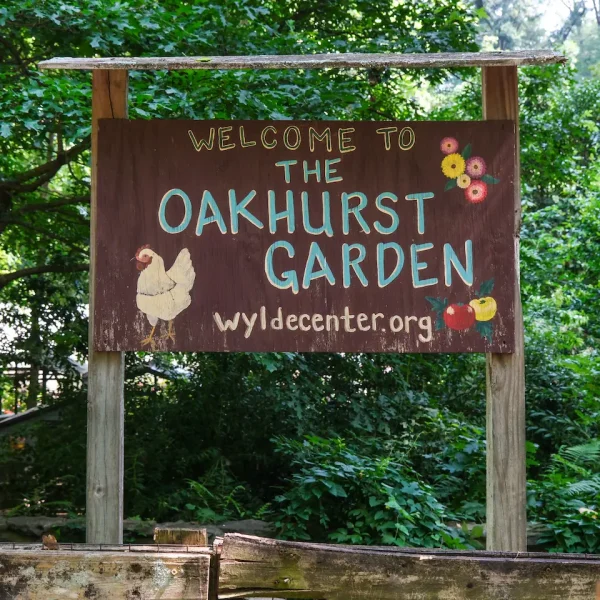
The Wylde Center
When Mrs. Louise Jackson found elementary school children stomping through her yard on their way home nearly 30 years ago, she saw an opportunity to teach rather than punish. Alongside her neighbor, Sally Wylde, Jackson handed over responsibility of her garden to the children and sparked a lifetime of interest and learning that drew them into the worlds of agriculture and nature conservation.
Now comprised of five locations across Atlanta, the Wylde Center is an education-first group of green spaces and gardens. Its mission is to introduce Atlantans to rejuvenative agriculture, the importance of maintaining native ecosystems, and the benefits of gardening.
Whether you’re visiting its self-service plant garden in Decatur, trying to get a peek at river otters at Hawk Hollow, or attending cooking classes at Edgewood, the Wylde Center is a place to find your spot in the natural world and enjoy it to its fullest.
Metro Atlanta Urban Farm
Bobby Wilson, founder of the Metro Atlanta Urban Farm, worked as an extension agent for the University of Georgia for 22 years, teaching underserved and marginalized communities how to develop plots into productive agriculture spaces. During that time, Wilson supplied these communities with the information and know-how to transform their vacant lots, unused land, and rare patches of sunny soil into verdant, productive gardens.
At retirement, Wilson was left at a crossroads: take the money and rest or continue the work as he saw fit. Wilson chose the latter, eventually building MAUF into a 13-acre farm that supplies free boxes of produce to College Park residents and fed 25,000 families during COVID. But while MAUF boasts some impressive productivity, Wilson would be the first to tell you that it’s a classroom first and a farm second.
Wilson and the MAUF staff dedicate themselves to teaching farmers how to make a living and citizens how they can grow their own food. Lauding the benefits of both community and self-reliance, MAUF wants to grow the next generation of community leaders to create a sustainable, long-term emphasis on local agriculture.

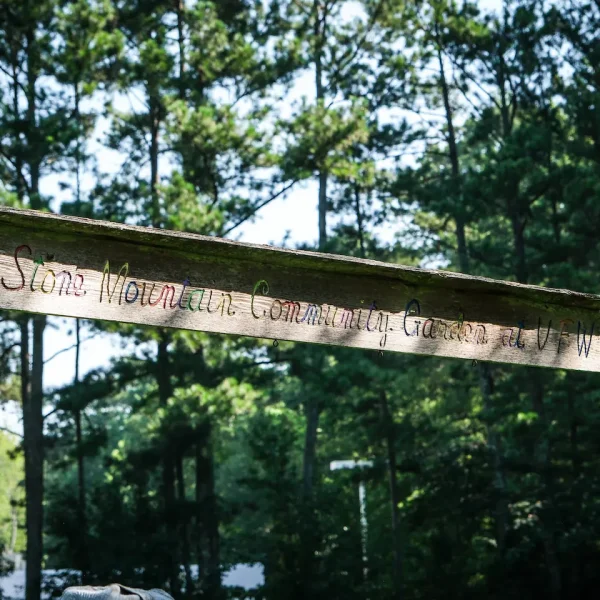
Stone Mountain Community Garden
The Stone Mountain Community Garden is a quiet corner of bustling energy and passion on an old repurposed baseball field. On land once owned by the Venable family, a diverse community gathers to share in and assist with each other’s gardening, forming powerful bonds between the people and the land they all work.
Columbus Brown, Master Gardener and delightful individual, is the walking library of this garden, lending his expertise to the community it’s built around. Though not a particularly large area, Brown and I spent several hours touring each plot, beehive, and flower in the butterfly garden. As we sampled edible flowers, discussed the importance of drainage, and debated the relative merits of growing rattlesnake beans vs. limas, I noticed life bursting from every corner.
At first glance, the Stone Mountain Community Garden looks like any of the hundred others sprawling across Atlanta. However, time spent with the community responsible for it reveals a depth of life you can’t see without speaking with the people. From donating fresh produce to food banks to helping a gardener overcome her fear of worms, this is a place of education, relaxation, hard work, and fresh food luxury.
Bedhead Plant Herb Farm and Plant Nursery
The goal for many farmers and Master Gardeners across Atlanta is to spark joy and interest in agriculture. Patty LaCrete, however, is not one of these educators. Instead, she’s a success story of their good work.
Born from a line of successful business women, hard work, and education, LaCrete knew what it took to develop a successful, for-profit business. But what she didn’t know was the first thing about agriculture. Studying at the feet of Atlanta agricultural masters, engaging in the community, and dripping gallons of sweat in the backyard of her East Point business, LaCrete decided she wanted to get her hands in the dirt, learned how to do it, and worked hard to make Bedhead happen.
Now the owner of the first black woman-owned medicinal herb farm in Southwest Atlanta, LaCrete gives back more to the community than bundles of aromatics and organic remedies. Instilling in others the passion and education she once received from the Atlanta community, she’s a prime example of what can happen when people are exposed to the importance and satisfaction of getting their hands in the dirt and cultivating new life.

More Stories
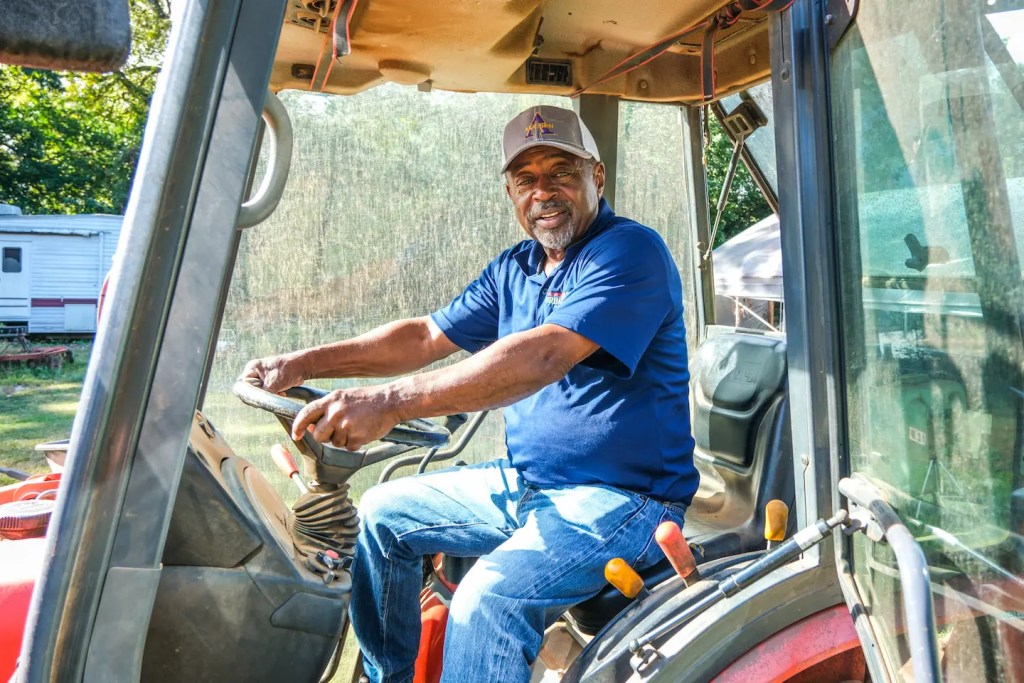
Self-reliance is the core of the Metro Atlanta Urban Farm philosophy, whether that’s nurturing a patch of tomatoes or okra in your backyard or securing a farm number to access USDA programs.

Our weekly feature, Community Notebook, is filled with snippets of information, conversations, and reporting about the communities where we work.
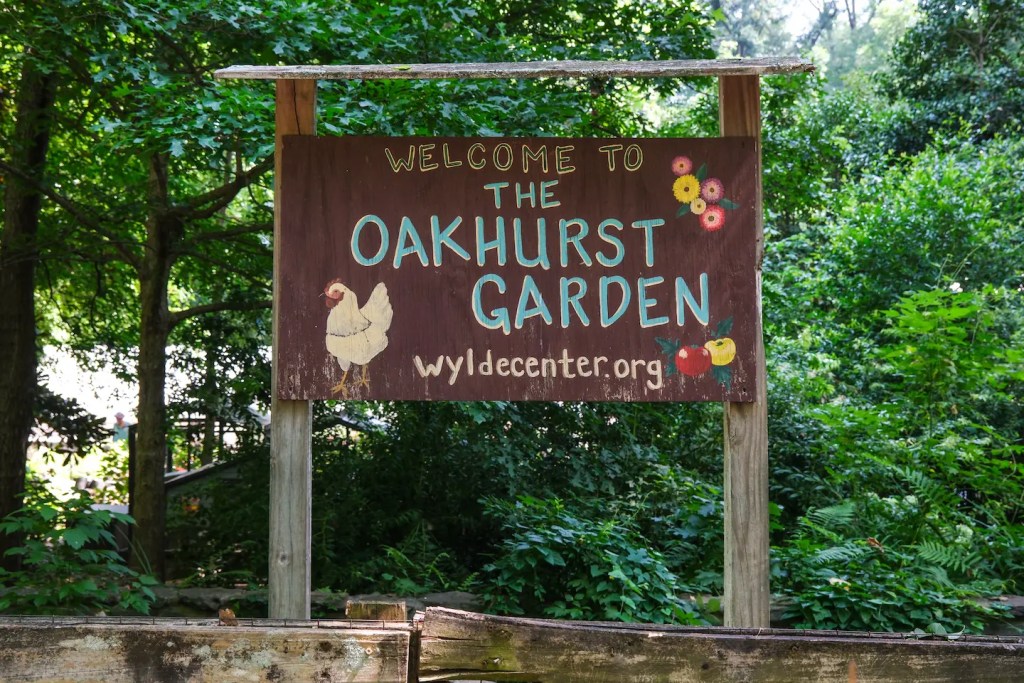
In a city with an abundance of both food deserts and good dirt, the Wylde Center seeks to educate residents about growing food and caring for the environment.
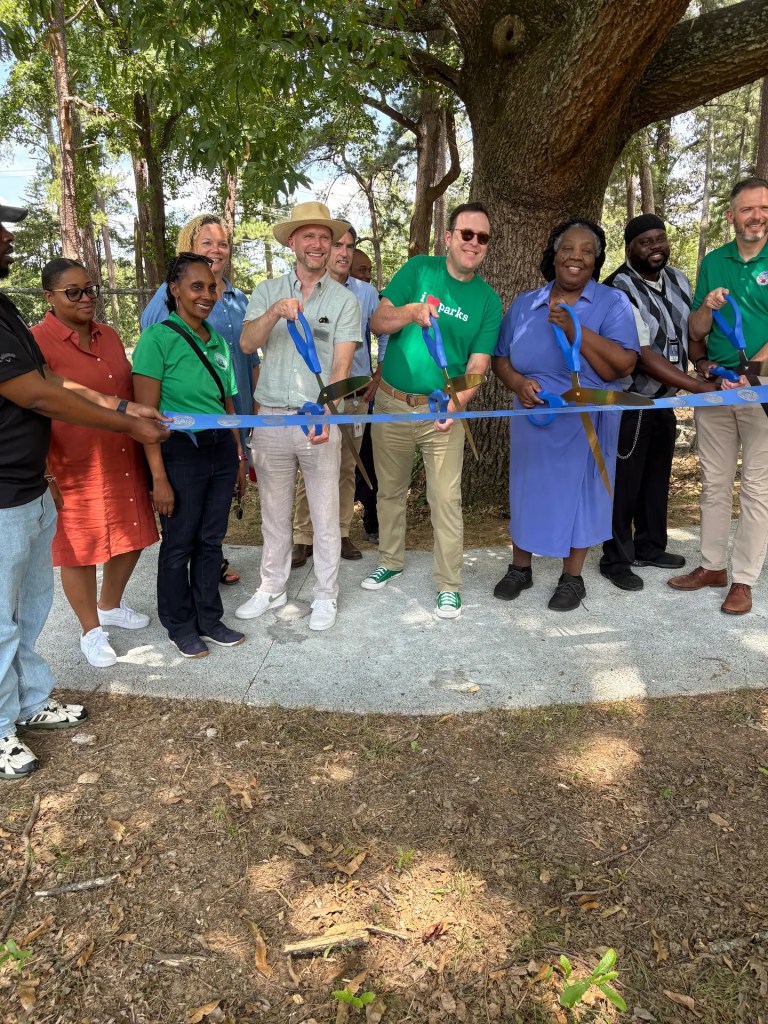
Donna Stephens wanted her neighborhood park to have seating for families who came to the park to watch their children play games. So she worked to make it happen.
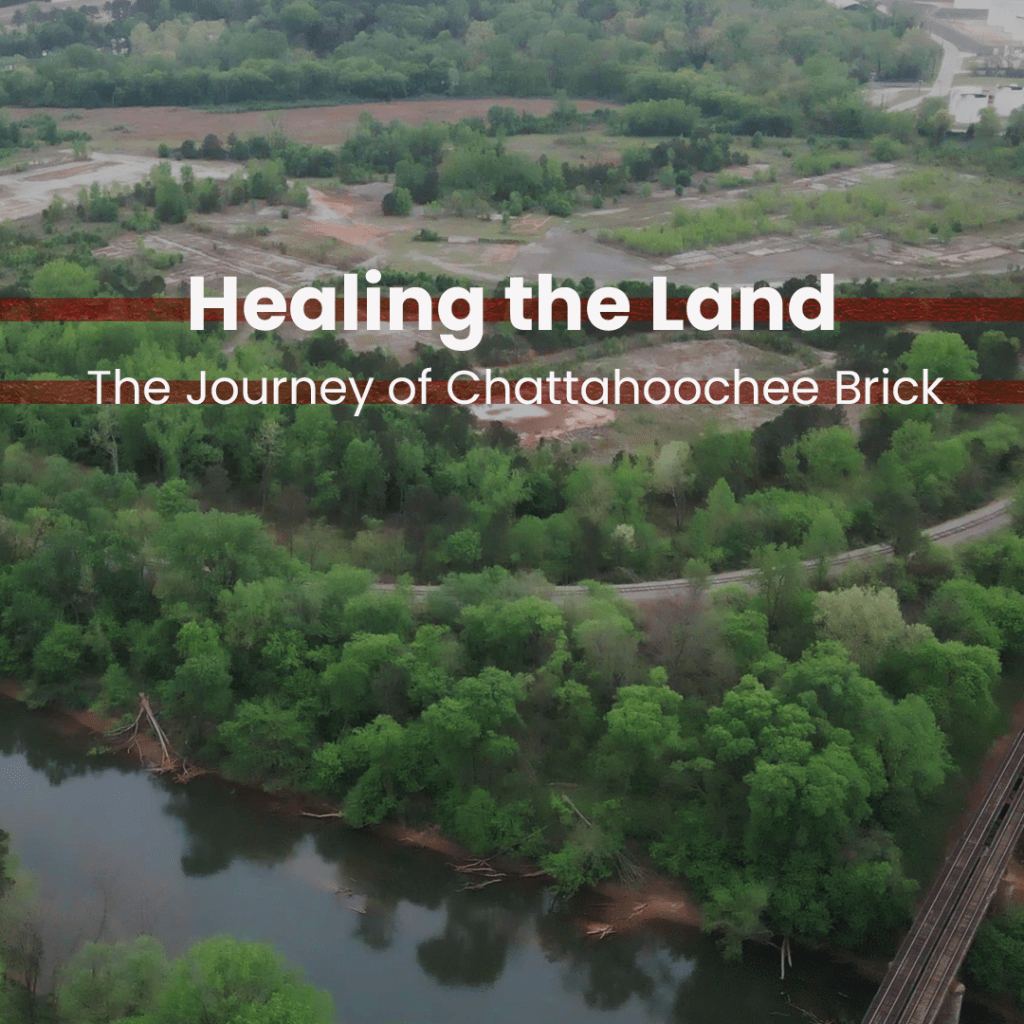
The site of the Chattahoochee Brick Company has a history of extraction and exploitation, but community members envision its future as a place to listen and heal.

In this first episode of Canopy Atlanta’s podcast, panelists explore the state of environmental justice and stewardship in metro Atlanta, and how your neighbors are taking action right where they live.