Canopy Atlanta asked over 140 Tri-Cities community members about the journalism they needed. The Tri-Cities Community Issue emerged from that feedback.

Despite what feels like a war on trees by new developers in metro Atlanta, the moniker that we’re a city within trees always feels so true when I’m driving home or visiting friends. I purposely allow my routes to take me through new areas of Tri-Cities, winding back into communities and down streets I’ve never laid eyes on. It’s within these pockets of community, often under the shadow of towering oaks and American beech trees, that the hustle and bustle of living in such proximity to the nation’s “second most livable city” doesn’t feel so burdensome.

To borrow the words of Fellow Faith Mbadugha, Tri-Cities and its community members seem to be “caught in the winds of change.” Historically, that has been the theme for East Point, College Park, and Hapeville. These cities saw value and resources radically ripped from the community following white flight post-desegregation. Past residents found themselves deprived of sufficient fresh food options and neglected environmental issues that present-day residents are still on a journey to address.

Photo by Dustin Chambers
In fact, it seems these communities are fighting battles on all fronts to retain the characteristics that made them different from other cities in the metro area. Census data from 2023 showed that in all three cities—College Park, East Point, and Hapeville—an average of about 19 percent of the population lived below the federal poverty level. Rising rents and home ownership costs hovering at levels higher than many residents can afford, along with healthcare giants like Atlanta Medical Center South abandoning the area, are dealing blows to the most vulnerable of the community in ways that are both harsh and detrimental to the future of the area.
While the reality feels stark for these cities—which for many years have been overlooked and underappreciated—the future is still theirs to create. These communities, like many scrappy areas that were left behind in development, are finding ways to fill the gaps in their own needs themselves. Sissie Lang works hard to make fresh foods available to the local community through a joint effort at the East Point Farmer’s Market, where groups like Youth Community Gardeners sell foods directly from farmers to residents at prices competitive to grocery stores. Even still, the demand for these human necessities far outpaces the supply.
Doctors like Dr. Michelle Cooke, owner of Sol Direct Primary Care in East Point, and Dr. Vickie James, owner of Essential Medical Care in College Park, saw the desperate need for affordable, quality healthcare and stepped up to ensure these cities weren’t left to suffer through medical neglect. Adjacent to the fight for a higher standard of living in these cities is Carrie Ziegler, founder of the East Point Environmental Collective, who along with other concerned community members aim to hold giants like Hartsfield-Jackson Atlanta International Airport, Atlanta Utility Works, NextEra Energy, and others feet to the fire for the unaccounted havoc they’re wrecking on the community’s ecosystem.

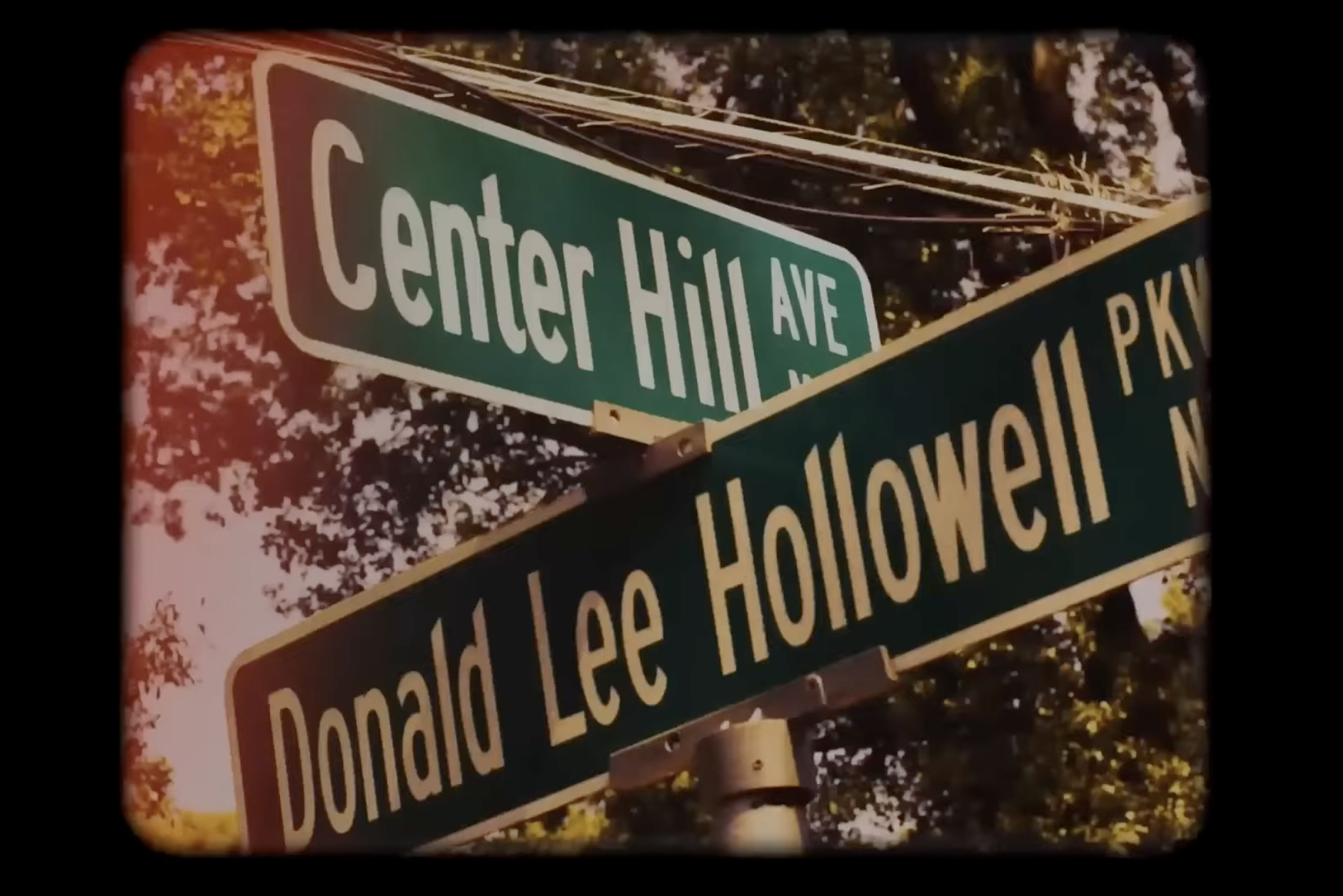
Photo by Hannah Palmer
The advancement of these fights would also make the development of the Flint River Gateway Trail all the more sweeter. The trail, which would connect the Tri-Cities via a walkable path, built alongside a historical waterway, would provide the communities with green space they have long hoped to protect from the ever-encroaching airport. These cities aren’t the type to simply fold, though they have each weathered their own historical storms and navigated through them for better or worse.
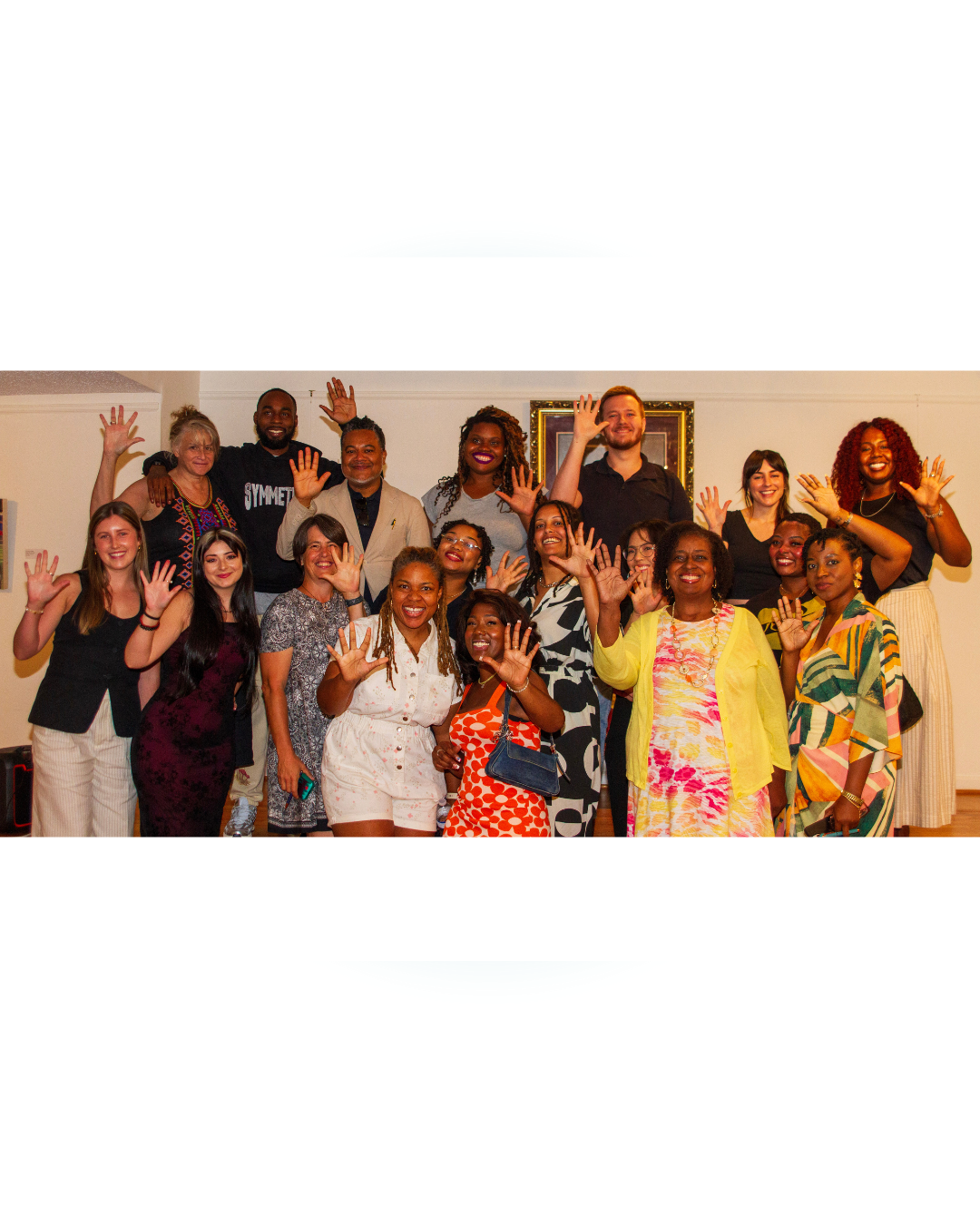
If the Tri-Cities Community Issue showed us anything, it’s that the community cares and has a real interest in rolling up its sleeves in the fight for a more equitable and brighter future. Residents participated in Canopy Atlanta’s Editorial Board, sorting through needs and desires with the care and diligence born of a genuine love of their cities. They honored each other through the time and dedication put into not only outlining the problem, but also aiming to address it and offer solutions through the journalism of community fellows.
It’s not often that the community is offered both the chance to have their voices uplifted and provided the resources to amplify them. The depth of nuanced beauty that is highlighted, even amidst the struggle, is often missed when outlets with no ties or roots in a community swoop in like pseudo-media saviors. Tri-Cities has always been on the map, but through Canopy Atlanta, it has had the opportunity to outline itself and give others a reason to peer deeper into its landscape. A landscape that is ever-changing but worthy of your long-term interest.
Though East Point, Hapeville, and College Park have had independent growth journeys, they share the reality of being at the precipice of their city officials’ decisions, new development priorities, and changing community dynamics, solidifying their trajectory for years to come. They each are like the oaks that tower over much of the land, strong trunks with roots buried under hard earth, but with branches that sway and creak under the pressure of rain, wind, and disease.
As a community, we aim to tie down these figurative trees with binders of green spaces, environmental activism, food security, art, and many other anchoring points. What will you use to help keep the community upright?

Photo by Claudia Maturell
Editors: Christina Lee and Mariann Martin
I hope this story leaves you inspired by the power of community-focused journalism. Here at Canopy Atlanta, we're driven by a unique mission: to uncover and amplify the voices and stories that often go unheard in traditional newsrooms.
Our nonprofit model allows us to prioritize meaningful journalism that truly serves the needs of our community. We're dedicated to providing you with insightful, thought-provoking stories that shed light on the issues and stories that matter most to neighborhoods across Atlanta.
By supporting our newsroom, you're not just supporting journalism – you're investing in Atlanta. Small and large donations enable us to continue our vital work of uncovering stories in underrepresented communities, stories that deserve to be told and heard.
From Bankhead to South DeKalb to Norcross, I believe in the power of our journalism and the impact it can have on our city.
If you can, please consider supporting us with a small gift today. Your support is vital to continuing our mission.
Floyd Hall, co-founder