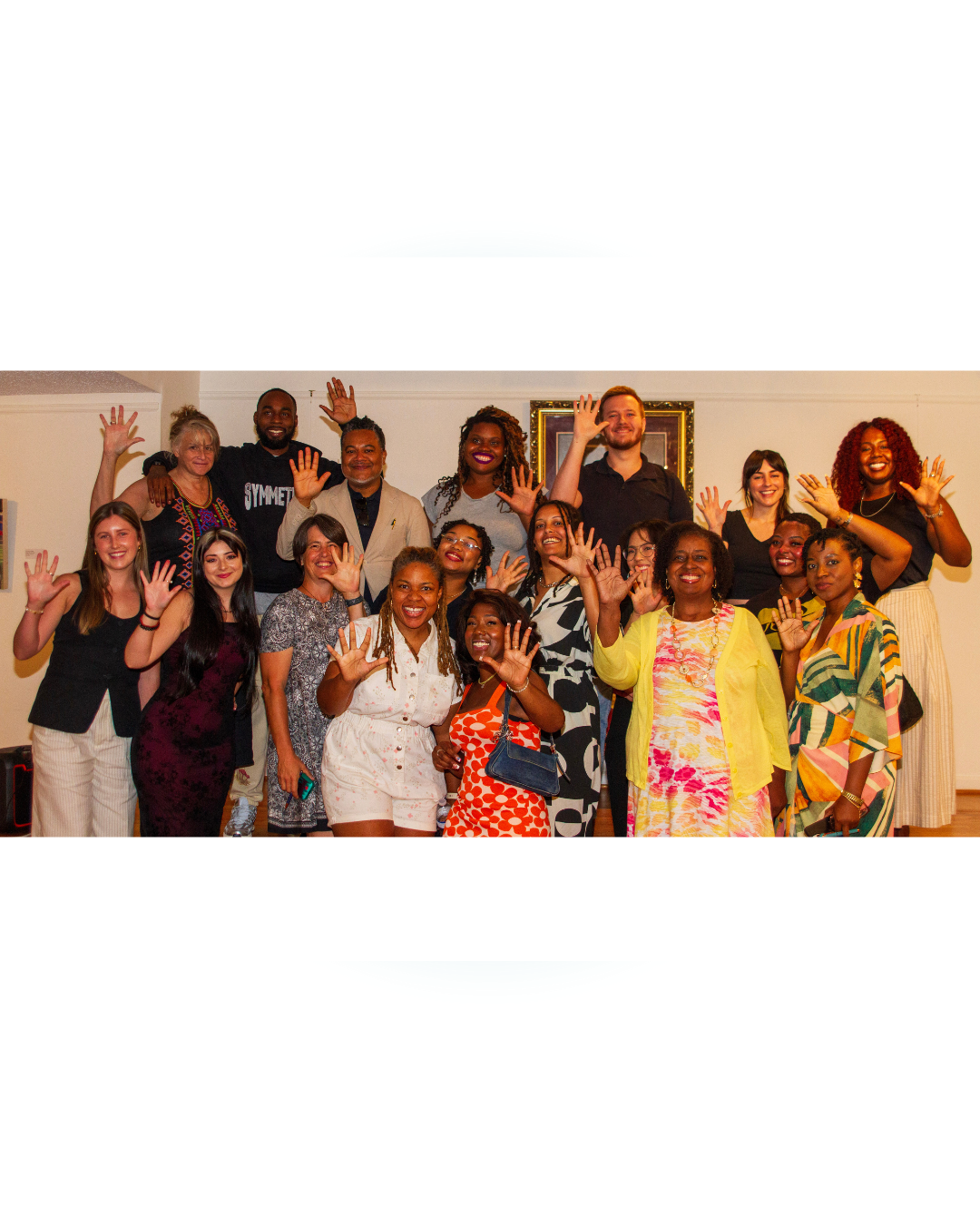
In 2025, Canopy Atlanta launched our first-ever Innovation Lab, made up of five Canopy Atlanta Fellows creating projects to provide information to their communities.
One of those Fellows, Genia Billingsley, is taking a hyperlocal look at green spaces in Westside neighborhoods through the eyes of the community. She will document how those parks have shaped the past, present, and future of Atlanta. In this video, she speaks with Donna Stephens, the founder of the Chattahoochee Brick Descendants Coalition.

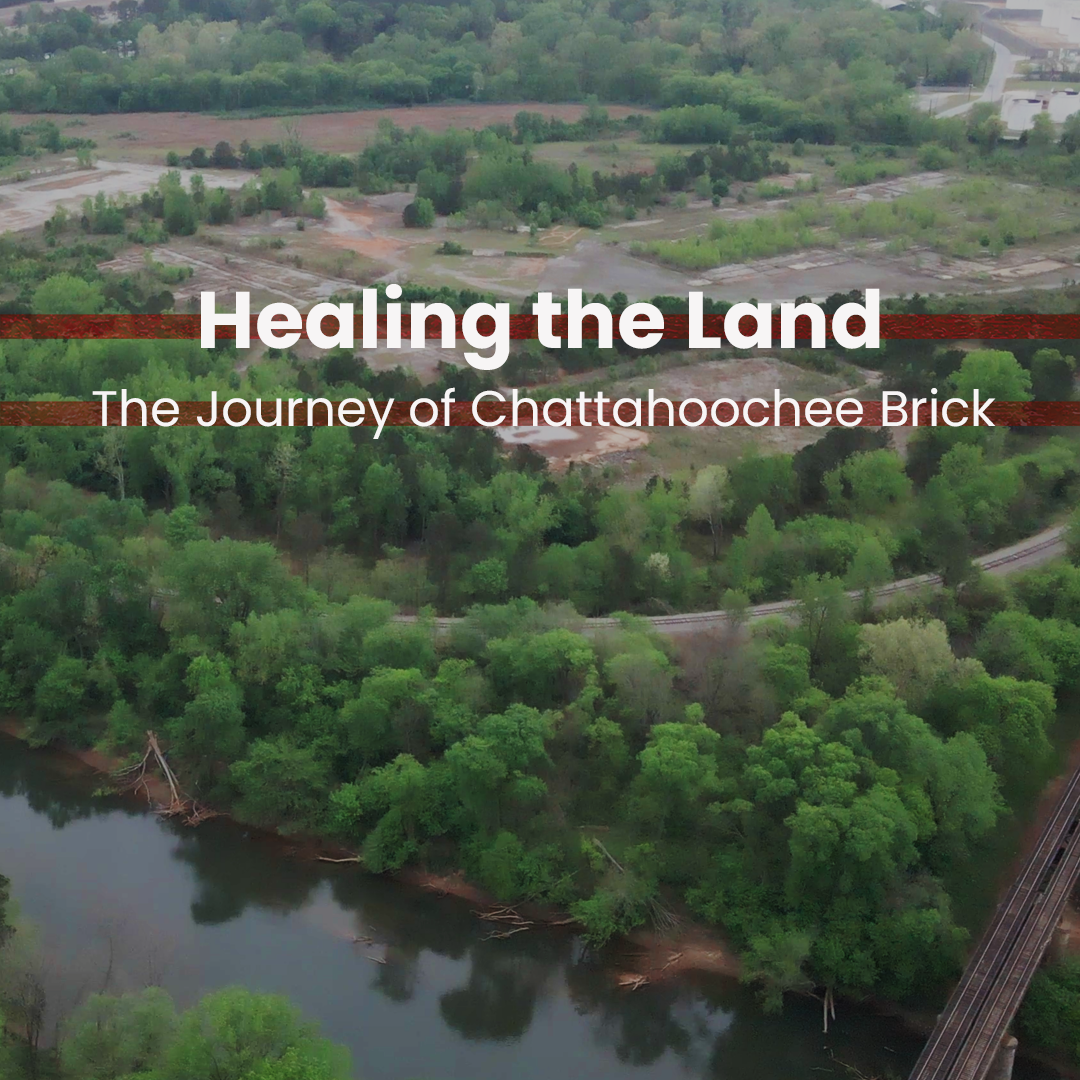
Long before industrial smoke filled the sky and prison laborers laid bricks by hand, the land surrounding the Chattahoochee River—especially near Chattahoochee Creek—was a thriving, sacred space for Indigenous peoples, including the Muscogee (Creek) Nation.
For generations, they lived in close relationship with the river, relying on its waters for food, ceremony, transportation, and community. The name “Chattahoochee” itself comes from the Muscogee language, meaning “marked rocks” or “painted rock,” a reference to the colorful granite boulders that line its banks.

This land was lush and alive, shaped by the rhythms of flood and drought—a place where people lived, not on top of nature, but in concert with it. But by the early 1800s, that balance was violently disrupted. Through the Indian Removal Act, the U.S. government forcibly displaced the Muscogee people, clearing the way for white settlers and industrial expansion. Sacred ground became a site of extraction—of labor, of resources, and of dignity.
One of the most notorious examples of this exploitation was the Chattahoochee Brick Company. Built on the banks of the river, it became a hub of forced prison labor through the system of convict leasing. While we often speak of how that system created wealth for a few and sorrow for many, we must also remember how the land itself was exploited. The red Georgia clay, the easy access to the river, and the strategic proximity to railroads made this area desirable—not just for its natural beauty, but for its extractive potential.
As part of this green space storytelling project, I want to explore how humans have interacted with this land across generations—from reverence to ruin—and how we can now chart a path toward renewal. For every railroad track laid over the river, we must ask: What was the cost to our water, our soil, our sense of place? What does it mean to repurpose this land today—not just as a memorial to the victims of convict leasing, but as a living, sustainable space that honors both people and planet?
The resilience of nature remains visible here. The land still breathes. And as the City of Atlanta prepares to memorialize the lives lost to forced labor, we also have a chance to reimagine our relationship with the environment—to listen to the stories the land holds, and to treat it not as a resource to be used, but as a partner in healing.
Video producer: Linda Duvoisin
Editor: Mariann Martin
Fact Checker: Ada Wood
Canopy Atlanta Reader: Ann Hill Bond
I hope this story leaves you inspired by the power of community-focused journalism. Here at Canopy Atlanta, we're driven by a unique mission: to uncover and amplify the voices and stories that often go unheard in traditional newsrooms.
Our nonprofit model allows us to prioritize meaningful journalism that truly serves the needs of our community. We're dedicated to providing you with insightful, thought-provoking stories that shed light on the issues and stories that matter most to neighborhoods across Atlanta.
By supporting our newsroom, you're not just supporting journalism – you're investing in Atlanta. Small and large donations enable us to continue our vital work of uncovering stories in underrepresented communities, stories that deserve to be told and heard.
From Bankhead to South DeKalb to Norcross, I believe in the power of our journalism and the impact it can have on our city.
If you can, please consider supporting us with a small gift today. Your support is vital to continuing our mission.
Floyd Hall, co-founder