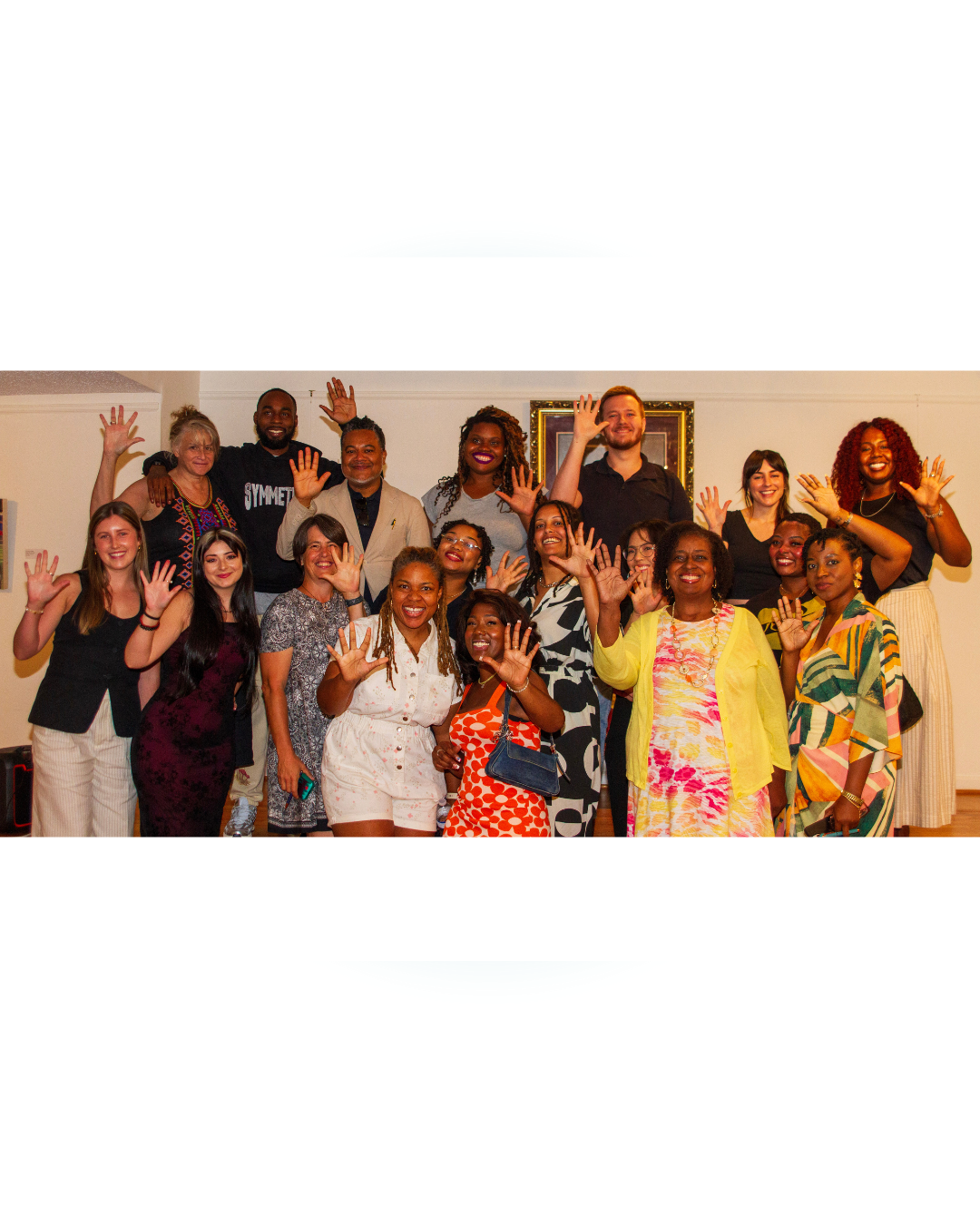
Canopy Atlanta works in communities across Atlanta, attending public meetings and asking community members about the information they need. This story emerged from that work.
Canopy Atlanta also trains and pays community members, our Fellows, to learn reporting skills to better serve their community. Genia Billingsley, the reporter on this story, and Claudia Maturell, the photographer, are Canopy Atlanta Fellows.

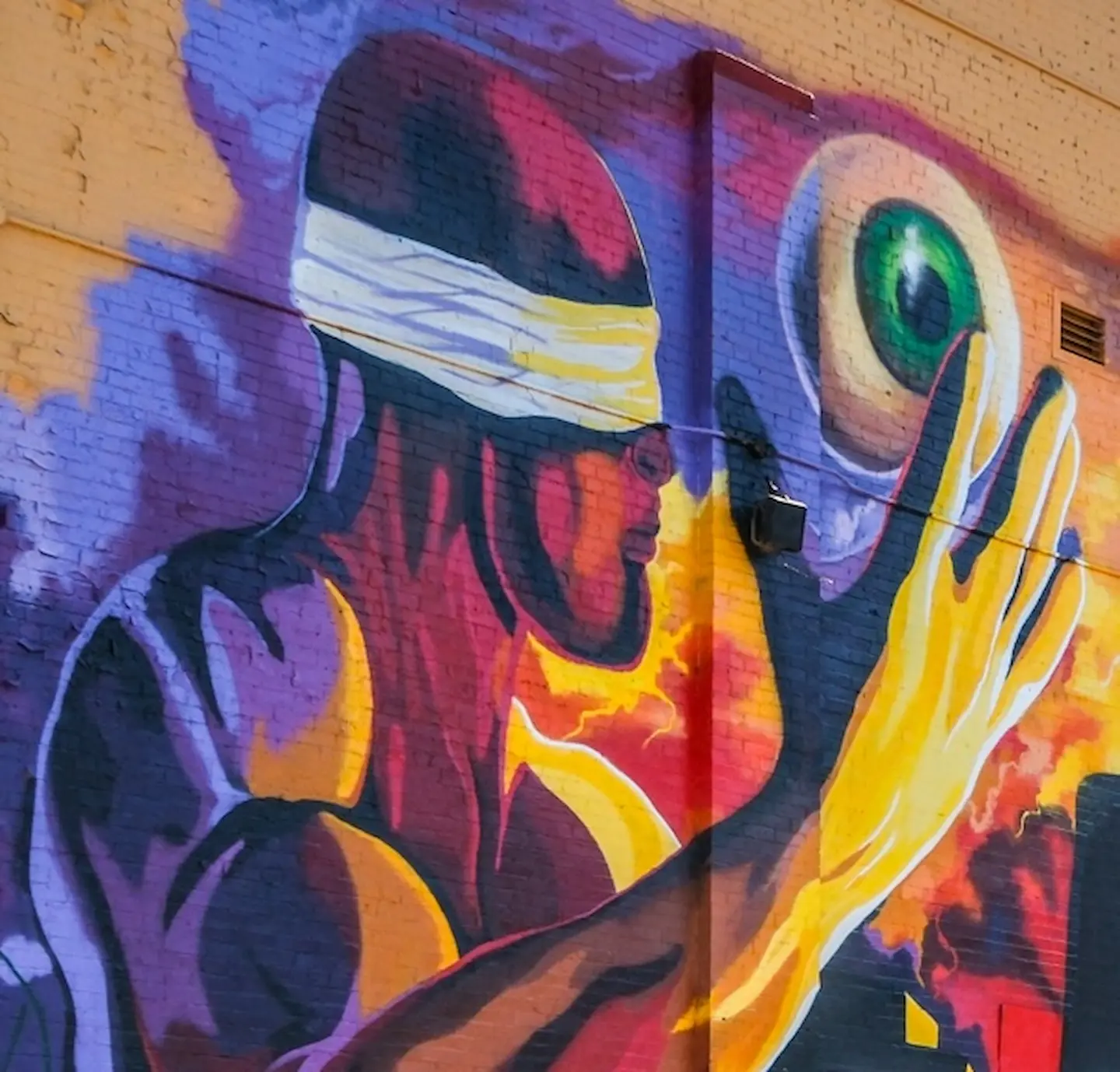
A few weeks ago, I began writing about a mural to commemorate the 1906 Atlanta Race Massacre that recently went up in South Atlanta, formerly known as Brownsville.
On the surface, the conversation at the neighborhood meeting I attended was about art and history. But underneath, a deeper question emerged: a question about community autonomy.
Who gets to decide what public art looks like? Is it the artist? The property owner? The commissioning organization?
Or should the people who live in the neighborhood have a say in how their history is depicted?

Art in public spaces, unlike art in museums, has a way of confronting us when we least expect it. When we buy a ticket, park our cars, and step inside a museum, we know we’re entering a space designed to make us think about a specific topic or history, sometimes even to make us uncomfortable. We may brace ourselves; we may even take a minute to decompress afterwards.
But when a mural about painful or difficult history appears in the middle of a neighborhood—when it greets you on your way home from work or when you are walking your child to school—how do you prepare for that?
“Is Atlanta truly the city 'too busy to hate?' Or have we simply become too busy to slow down and have an honest conversation with the communities who carry our most difficult histories?”
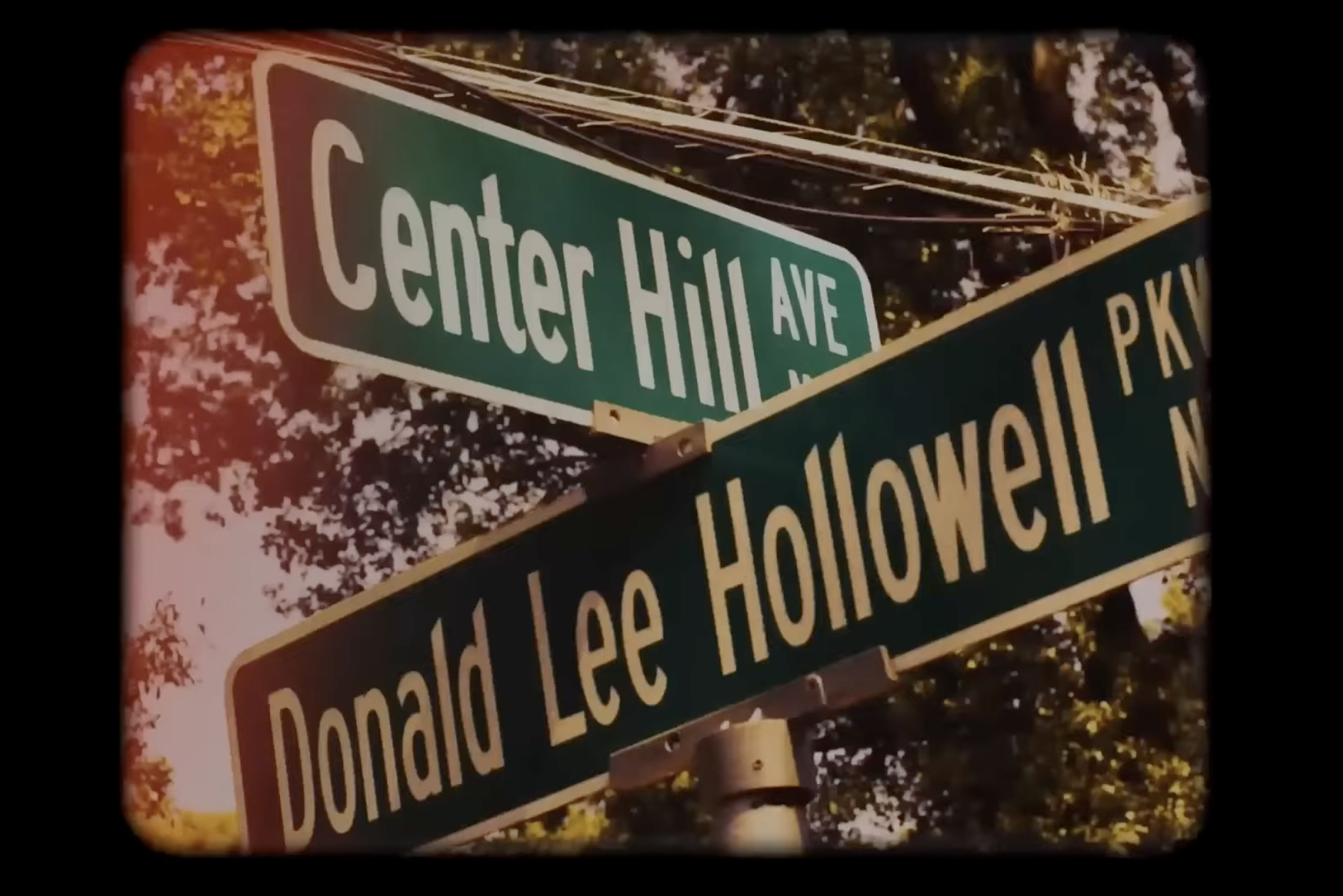
As I explored these questions in the South Atlanta community by talking to community members, friends, and colleagues, I discovered that another mural depicting a painful history is being painted in the neighborhood I’ve called home for more than 50 years.
The parallels were striking. Both murals are on private property owned by nonprofit organizations that describe themselves as community partners. Both were commissioned by the National Center for Civil and Human Rights. And both were created with good intentions, but with very little community engagement.

As a Grove Park community member, I first became aware of the mural during a Grove Park Neighborhood Association meeting. As we discussed a mural honoring Grove Park Heroes, a neighbor asked, “What is that going up on the other side of the wall?”
This second mural, to commemorate convict leasing, is partially completed on the side of the historic Grove Park theater owned by the Grove Park Foundation. Before creating this mural, the Center conducted several community conversations about convict leasing and how to memorialize the Chattahoochee Brick and Bellwood Quarry sites. But the specific mural or the location were not discussed in the community conversations. We were not given any information until community members started asking questions about the mural that is already partially painted.

Over the past few weeks, I’ve had more conversations about art and community than I ever imagined. During a recent conversation, Kama Pierce, Chief Program Officer with the National Center for Civil and Human Rights, spoke candidly about the challenges and lessons they have learned through their goal to bring education and art outside their museum walls.
“We were naive,” Pierce said. “If we were starting the process now, we would do it differently.”
Pierce said the Center is committed to learning from this experience and changing how they approach. The Center does not have any more murals planned at this time. They are also committed to addressing community concerns in both South Atlanta and Grove Park, she said.
Pierce also offered to collaborate in a Grove Park community event to have the mural artist share his vision before the unveiling of the artwork. Community members are in conversation about what that event would look like.
Community members have also been honest in their reflections. Some believe the art did exactly what it was supposed to do—it provoked a response. It forced difficult conversations about painful moments in Atlanta’s history that too often go unspoken.
And yet, I have more questions than answers.
Is Atlanta truly the city “too busy to hate?” Or have we simply become too busy to slow down and have an honest conversation with the communities who carry our most difficult histories?
Do you live in the South Atlanta area?
Please share your thoughts about the 1906 Race Massacre mural and the public art process by completing this listening form.
Editor: Mariann Martin
Canopy Atlanta Reader: Kamille D. Whittaker
I hope this story leaves you inspired by the power of community-focused journalism. Here at Canopy Atlanta, we're driven by a unique mission: to uncover and amplify the voices and stories that often go unheard in traditional newsrooms.
Our nonprofit model allows us to prioritize meaningful journalism that truly serves the needs of our community. We're dedicated to providing you with insightful, thought-provoking stories that shed light on the issues and stories that matter most to neighborhoods across Atlanta.
By supporting our newsroom, you're not just supporting journalism – you're investing in Atlanta. Small and large donations enable us to continue our vital work of uncovering stories in underrepresented communities, stories that deserve to be told and heard.
From Bankhead to South DeKalb to Norcross, I believe in the power of our journalism and the impact it can have on our city.
If you can, please consider supporting us with a small gift today. Your support is vital to continuing our mission.
Floyd Hall, co-founder