Canopy Atlanta has conversations with community members across metro Atlanta, asking them about the information they need in their communities. A recurring thread from community feedback is the lack of food access in many neighborhoods. This story highlights some of the organizations tackling that challenge.
Canopy Atlanta also trains and pays community members, our Fellows, to learn reporting skills to better serve their community. Jack Rose, the reporter on this story, is a Canopy Atlanta Fellow.

Georgians need to eat more produce. Less than 12 percent of them meet their daily fruit intake, and less than 9 percent eat the required amount of vegetables. But it’s tough for Georgians to develop a taste for such foods, when less than half of small grocery stores in Atlanta carry fresh produce. That especially goes for the area’s majority Black neighborhoods, where your chances of finding fresh produce are just 36 percent.
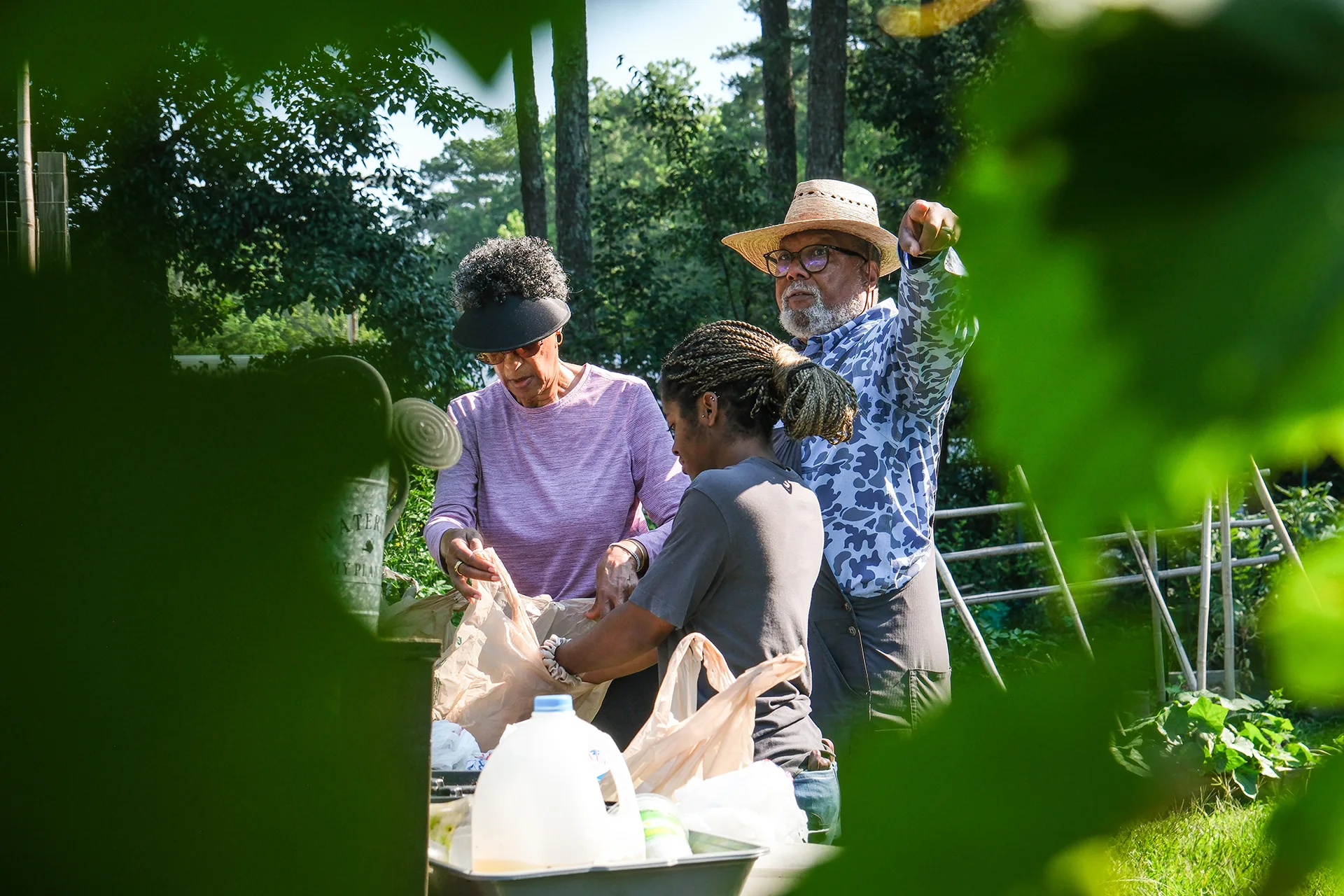
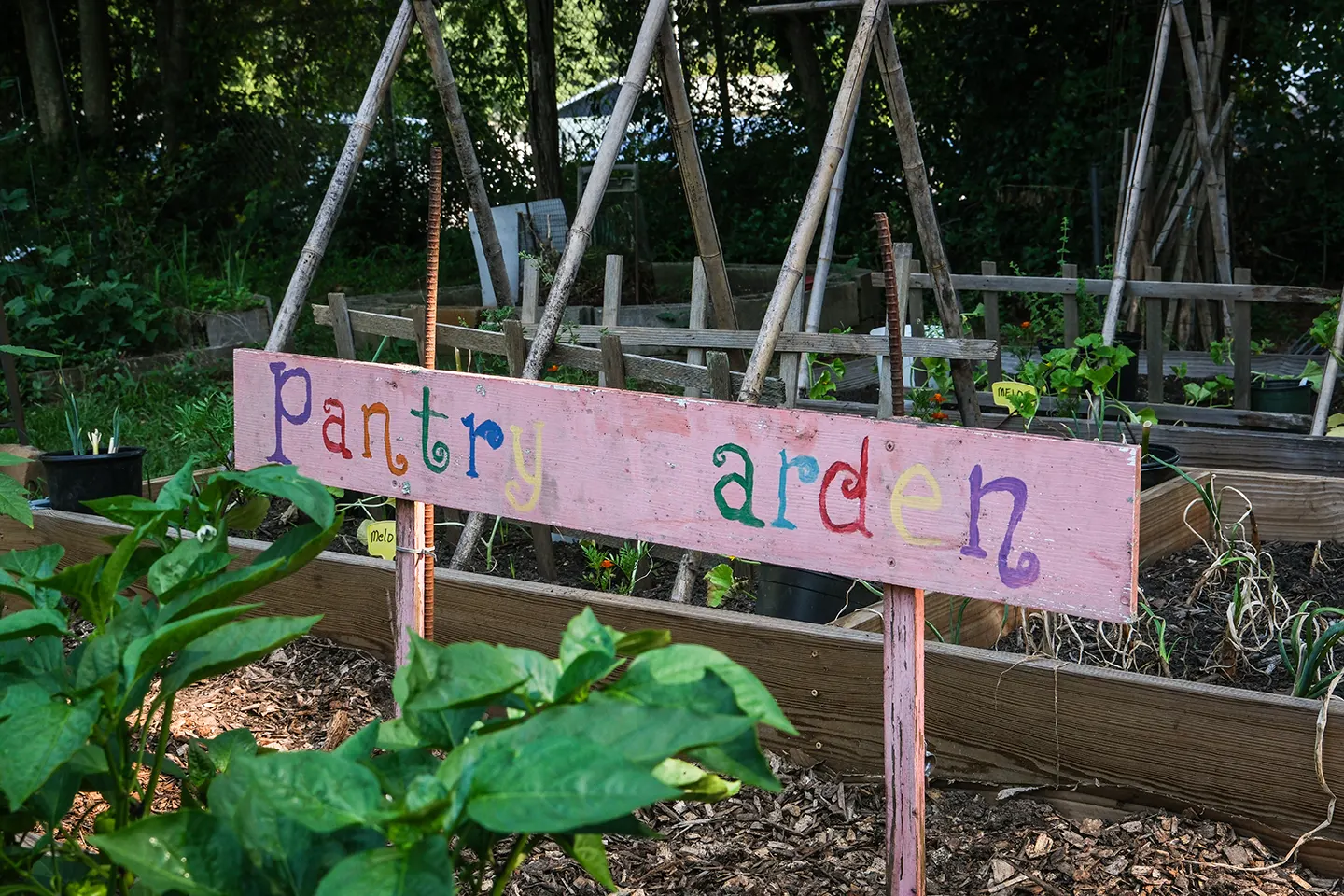
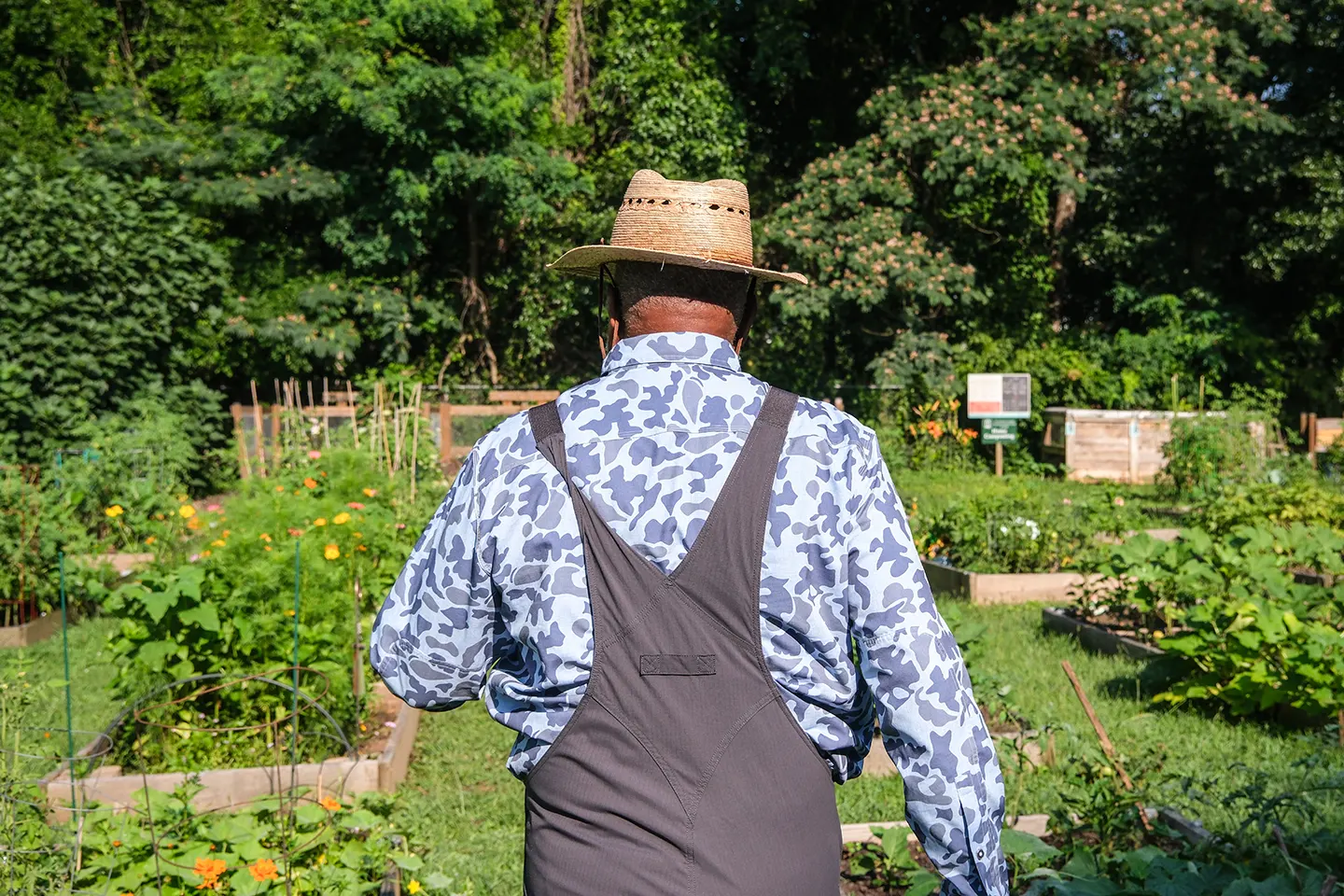
Enter Stone Mountain Community Garden, which was founded in 2009 and is tended to by local residents, like a Nigerian nurse once afraid of worms and a Spanish-speaking grower who plants his tomatoes as densely as he can.

Master Gardener Columbus Brown points out a bit of irony: “This plot used to be owned by the Venables, you know who that is?” Brown asks. As an Atlanta transplant, I shake my head. “That’s the KKK,” he finishes, laughing. The Venable family was even responsible for the Confederate Memorial Carving on the side of Stone Mountain.

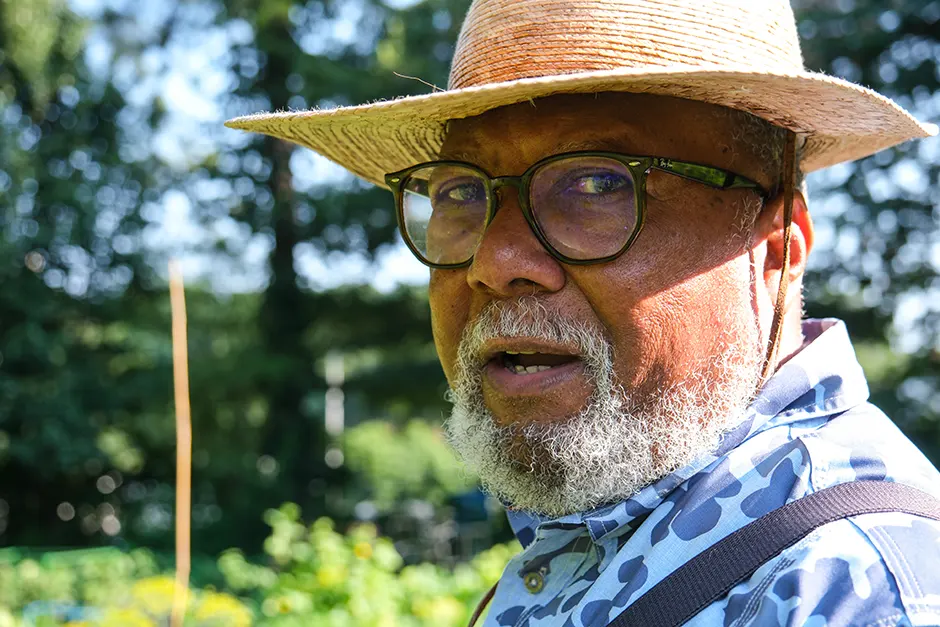
Columbus Brown, master gardener at Stone Mountain Community Garden
Despite producing and donating an average of 100 pounds of fresh produce a month, Brown is the first to admit that no community garden can adequately combat fresh food access inequality, not when one in seven Atlantans experiences food insecurity.
But as we stroll past beehives, keyhole gardens, and ripening carrots, it becomes increasingly clear that the gardeners’ role isn’t as providers but educators. Most farmers and gardeners chomp at the bit to share their knowledge. But rather than discuss soil pH, drainage, and pruning, Brown keeps coming back to our respective likes and dislikes around food.
“I find it amazing that there are a lot of people that don’t like vegetables,” Brown says. “They don’t, and their kids don’t like vegetables because the parents don’t like vegetables.”

Brown understands why that may be, though. As we step out of a June morning drizzle and take seats at a table, he describes how, growing up in Florida, he lived by a tomato field owned by the Campbell’s Company.
“You would see them harvest tomatoes, put them in the back of a flatbed truck, and they’d be stacked 8 feet high. If you can imagine what it would feel like to be a tomato, riding on the back of a truck, tractor trailer, where it’s always moving up and down and things are shifting . . . they tend to select things that survive those trips.”
Most varieties of tomatoes in grocery stores (not to mention, the ones produced for Campbell’s soup) come from seeds hybridized for durability and uniformity. While this makes them more profitable and available, this also tends to make them mealy, watery, and bland compared to heirloom varieties bred for taste, texture, and juiciness. The sacrifice of flavor and even nutrition for the sake of profitability distorts our palates and warps demand for fresh produce.
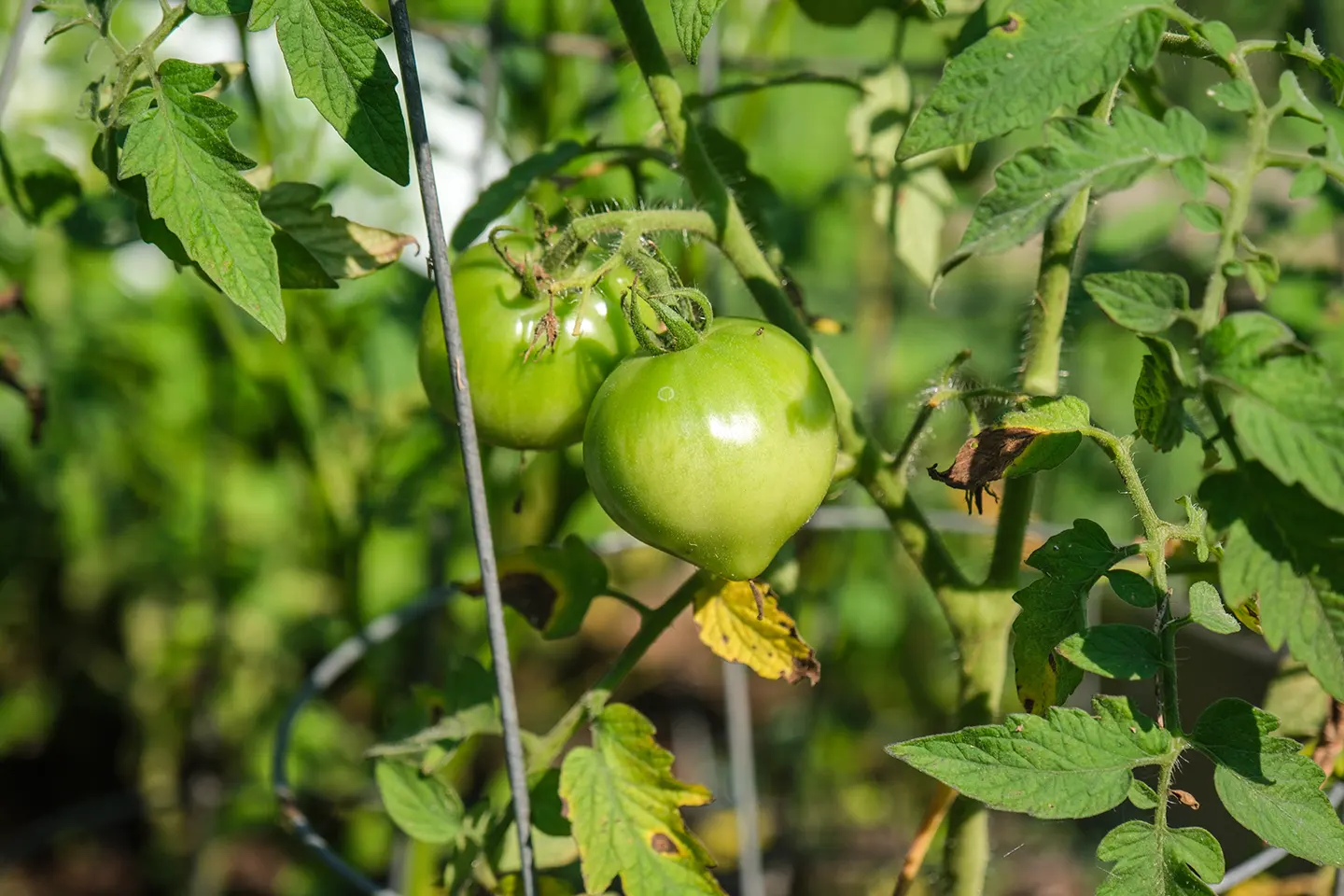
“When you go to the grocery store, it’s just like a super abundance of lemons and limes and tomatoes and avocados, and it looks pretty,” Brown says. “But it doesn’t taste like what we grow here because we can grow things that are not suitable for commercial production.”
As I nibble on curry leaves, rattlesnake beans, and berries, Brown tells stories of field trip visits, volunteer days, or just kids from the neighborhood. They all do the same thing I’m doing now: sampling, thinking it over, then claiming what they like and don’t like about something.
From first-hand experience, it’s an effective method. Contrasting the merits of rattlesnake versus lima beans sparked my curiosity about legumes as a whole, and I’m now perfectly comfortable cooking with either. Craving more berries than the one golden raspberry plant he gifted me could provide, I purchased three more to start a pollinator berry patch in my own yard.
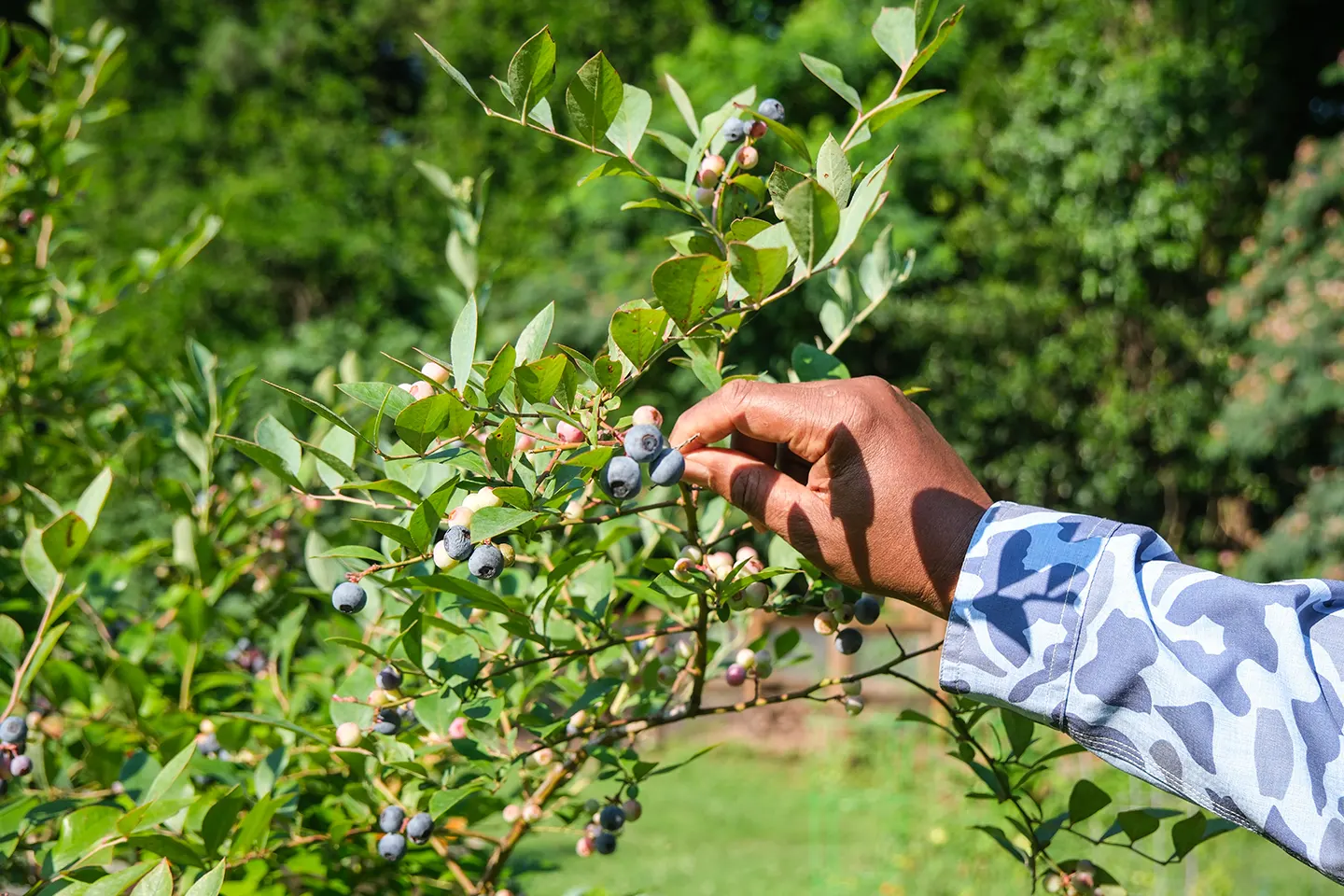
“When a kid tastes a raw green bean and says, ‘Hmm, that tastes pretty good,’ and you see the expression on their parent’s face and they’re kind of hoping you don’t ask them . . . we open up the opportunity for people to taste things that they may not have tasted before [and] say, ‘It’s okay if you don’t like this, but it would be interesting to know why you don’t like this.’”
As the founder and CEO of Retazza, a company that delivers fresh produce from Georgia farmers directly to consumers whether at a farmer’s market or a MARTA station, Kashi Sehgal has seen firsthand the effect that demand for fresh produce has on availability.
“If you’re asking for local food, chances are the next time [retailers] have the opportunity to purchase local food or support a farmer, they might even go out and look for one because enough people are asking for it,” Sehgal says. Ultimately, “dollars matter.”
In 2015, only 52 percent of Atlanta residents lived within a half mile of fresh produce. By 2020, this number shot to 75 percent thanks to efforts throughout metro Atlanta. But this wasn’t done by simply requiring existing stores to carry fruits and vegetables or even by opening new ones.
While major changes to the food supply chain happen from the top down, they alone aren’t enough to effectuate the real change Atlanta may need: more people eating fresh produce. For every major ordinance passed, there has to be a systemic shift in food demand to make use of it.
At Stone Mountain Community Garden, you see that shift happen in those small moments like a kid trying a raw green bean, or a parent humoring their child only to find out they like it too. They have to happen again and again to produce significant demand, then dollars—and it’s folks like Columbus Brown who make that happen.
Not only does this raise a generation with a produce-craving palate that will then demand more, but these same children become vectors to rectify the issues their parents experienced from just not having access.
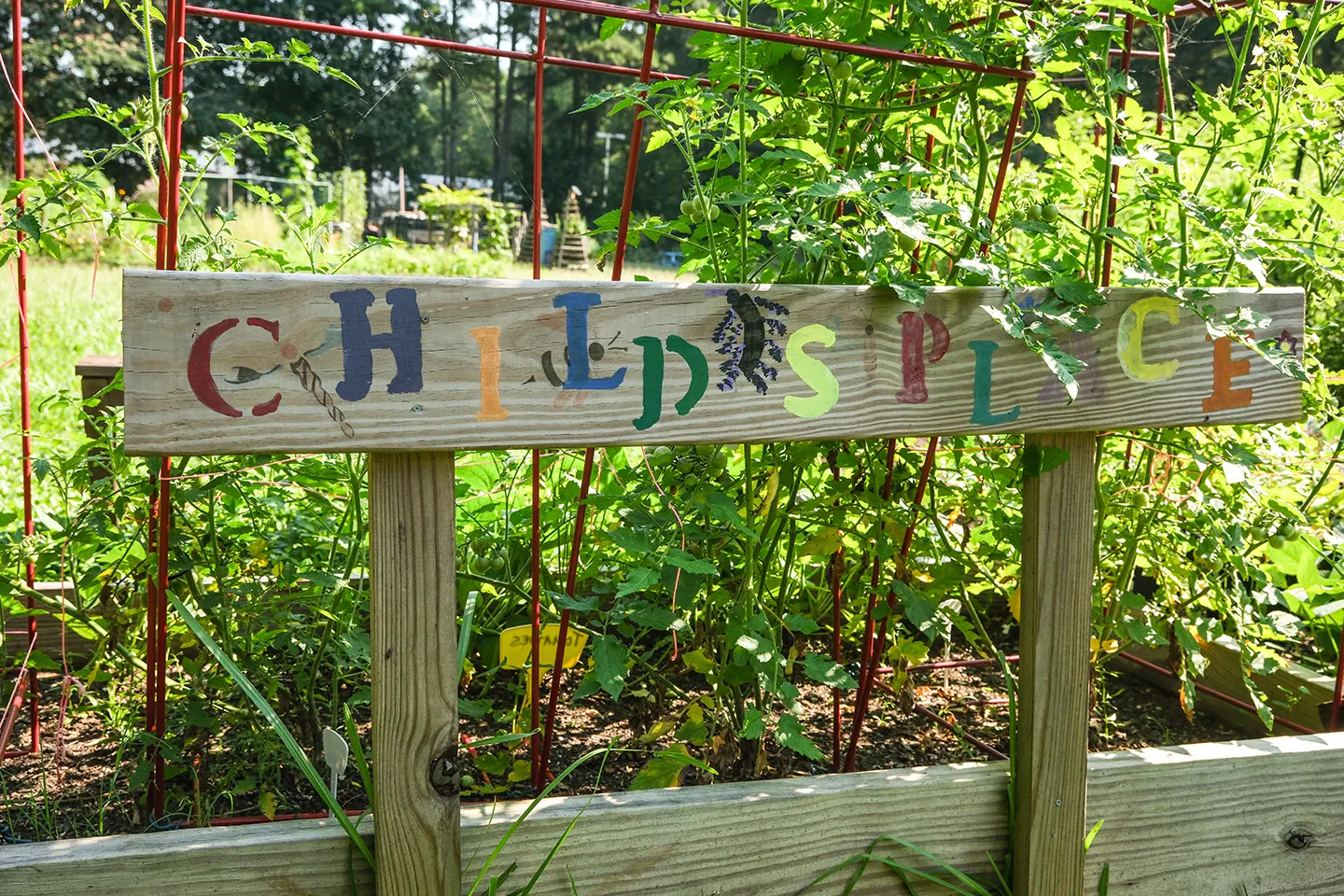
Over coffee and under the rain, Brown credits Michelle Obama’s healthy eating initiatives for much of the demand he has seen thus far. The butterfly and children’s gardens at Stone Mountain Community Garden may be small measures by comparison, though he sees any opportunities to connect kids to fresh food as a win.
“We have to encourage people to expand their palates,” Brown says.
Editor: Christina Lee
Fact Checker: Joey Goodall
Canopy Atlanta Reader: Genia Billingsley
I hope this story leaves you inspired by the power of community-focused journalism. Here at Canopy Atlanta, we're driven by a unique mission: to uncover and amplify the voices and stories that often go unheard in traditional newsrooms.
Our nonprofit model allows us to prioritize meaningful journalism that truly serves the needs of our community. We're dedicated to providing you with insightful, thought-provoking stories that shed light on the issues and stories that matter most to neighborhoods across Atlanta.
By supporting our newsroom, you're not just supporting journalism – you're investing in Atlanta. Small and large donations enable us to continue our vital work of uncovering stories in underrepresented communities, stories that deserve to be told and heard.
From Bankhead to South DeKalb to Norcross, I believe in the power of our journalism and the impact it can have on our city.
If you can, please consider supporting us with a small gift today. Your support is vital to continuing our mission.
Floyd Hall, co-founder