Canopy Atlanta asked over 180 Clarkston community members about the journalism they needed. This story emerged from that feedback.
Canopy Atlanta also trains and pays community members, our Fellows, to learn reporting skills to better serve their community. Nushrat Nur, a reporter on this story, is a Canopy Atlanta Fellow.

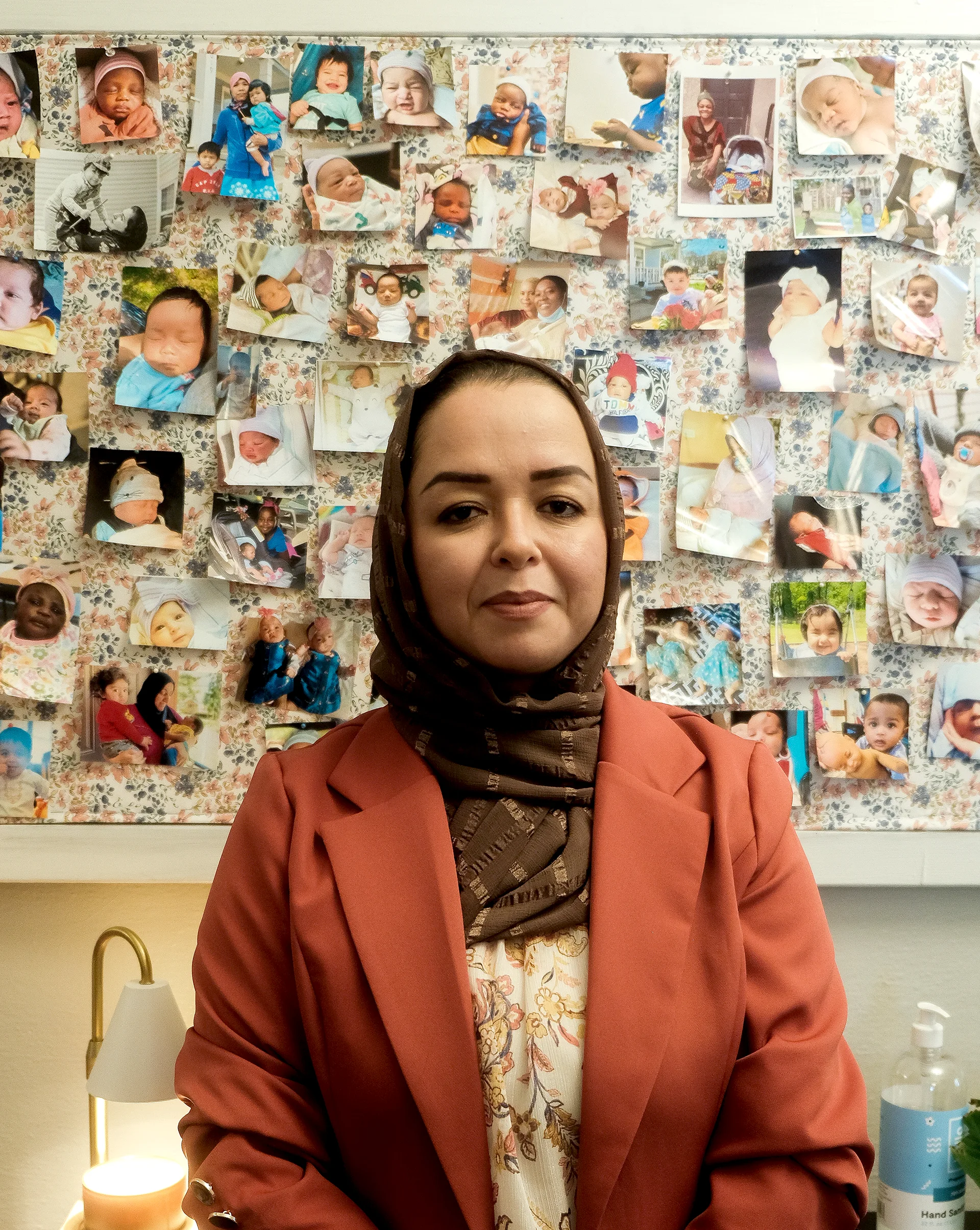
Muzhda Oriakhil is used to answering questions. Over more than a decade as a doula and childbirth educator at Embrace Refugee Birth in Clarkston, she has guided hundreds of families through pregnancy, birth, and the labyrinthine American healthcare system; led support groups for mothers; and served as a liaison between her organization, Friends of Refugees, and the city’s Afghan population. Oriakhil, who was pregnant when she arrived in the United States from Afghanistan in 2014, is no stranger to uncertainty.
But in recent months, one question has come up again and again, from the women in Embrace’s moms circle, from her neighbors, from people she passes on the sidewalk. It comes from legally resettled refugees, asylum seekers with pending cases, and green card holders alike. She hears it in public and even when she closes her eyes. Yet not even Oriakhil can answer it: What will happen to us?

Community leaders say that as ICE activity has increased nationwide, and as even legally resettled refugees and asylum seekers risk detention, an already vulnerable community is now gripped with anxiety and shattered assumptions about safety.
“Everyone is confused, overwhelmed, and scared,” says Oriakhil. “As community leaders, we are the first line facing these emotional questions, and people expect us to have answers for everything . . . but we cannot promise them that ICE is not going to come after them. It is hard to see how hopeless these families feel.”
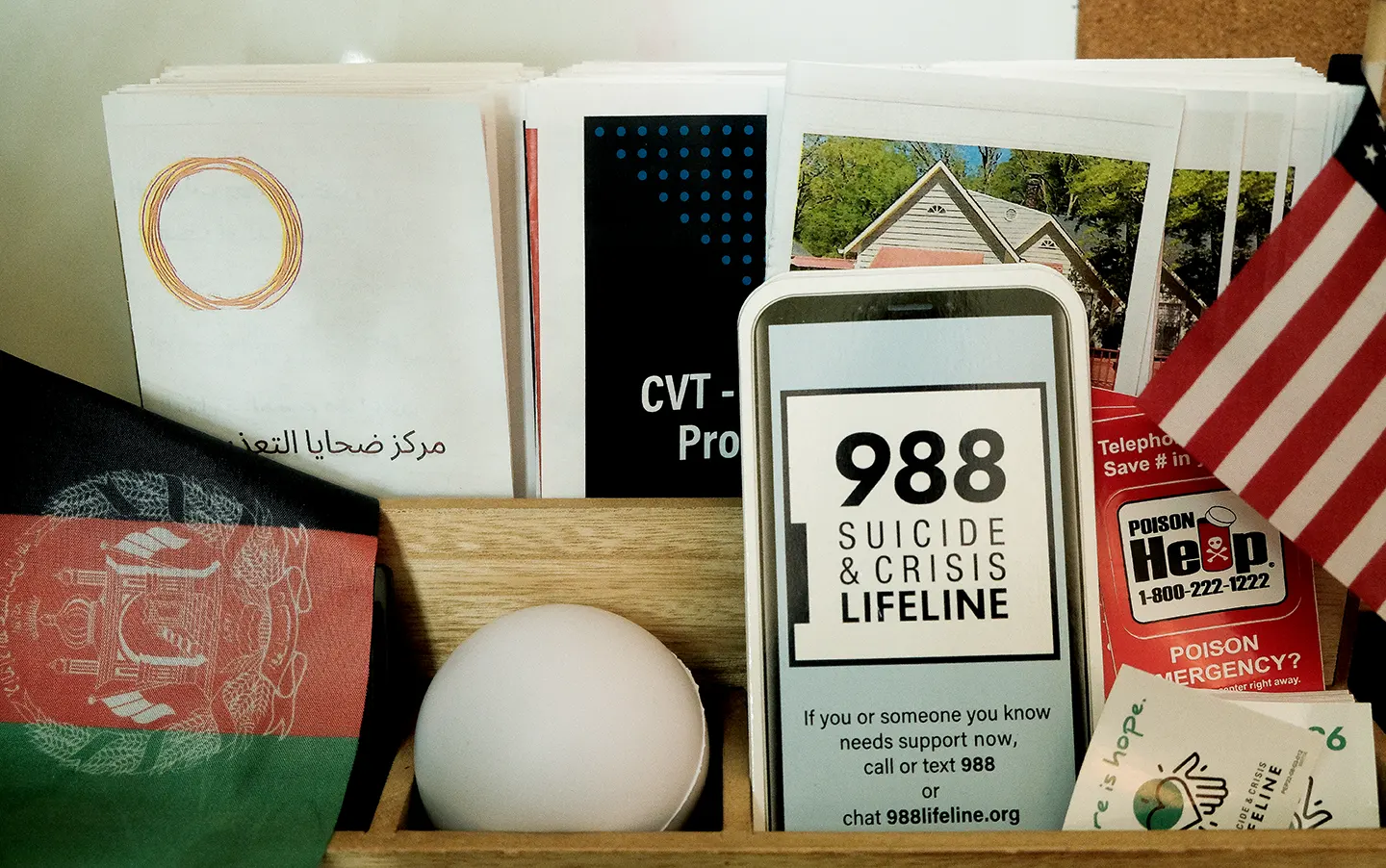
The escalation in aggressive immigration enforcement now affecting previously protected groups—including legally resettled refugees awaiting green cards and asylum seekers with no criminal records—is hitting a community whose mental health infrastructure is sparse and strained. Immigrants, refugees, and other foreign-born residents make up approximately 37 percent of Clarkston’s population, according to the most recent census data; another 34 percent live at or below the poverty line. Navigating a complex healthcare system, combined with rising costs, has exacerbated longstanding health inequities.
Many refugees arrive in the United States after fleeing war, persecution, or displacement, experiences that leave about three in 10 with post-traumatic stress disorder. Deborah Smith, a licensed professional counselor and professor at the University of Florida, spent two years working with Oriakhil in Embrace’s moms circle, helping bring mental health conversations to the forefront.
“I have worked with PTSD and complex trauma for many years, and I’ve never heard stories like what I heard from the women at Embrace,” she says.
Those scars do not fade upon arrival. In fact, according to Smith, some research suggests the post-migration phase can be the most difficult. New arrivals must navigate language barriers, unfamiliar systems of government assistance, and economic instability.
“I think there’s this illusion that if you make it to the United States, you’re good,” says Smith. “That adds to the stigma—you shouldn’t be struggling.”
For providers, that stigma creates a paradox: immense need but limited uptake. Jeremy Cole, executive director of Mosaic Health, says that while about a quarter of the clinic’s patients screen positive for depression, anxiety, or PTSD, most decline mental health services. (Mosaic eventually discontinued its mental health offerings due to low utilization.)
Those who do seek help face significant barriers. In a community where a third of residents live below the federal poverty line and a quarter are uninsured, affordability is a major obstacle.
“People may recognize they have mental health issues,” says Cole, “but they’re thinking, I have to figure out how to feed my kids tomorrow.”
He adds that when Mosaic offered therapy, patients often used sessions to ask about food stamps or rent assistance rather than discuss symptoms.
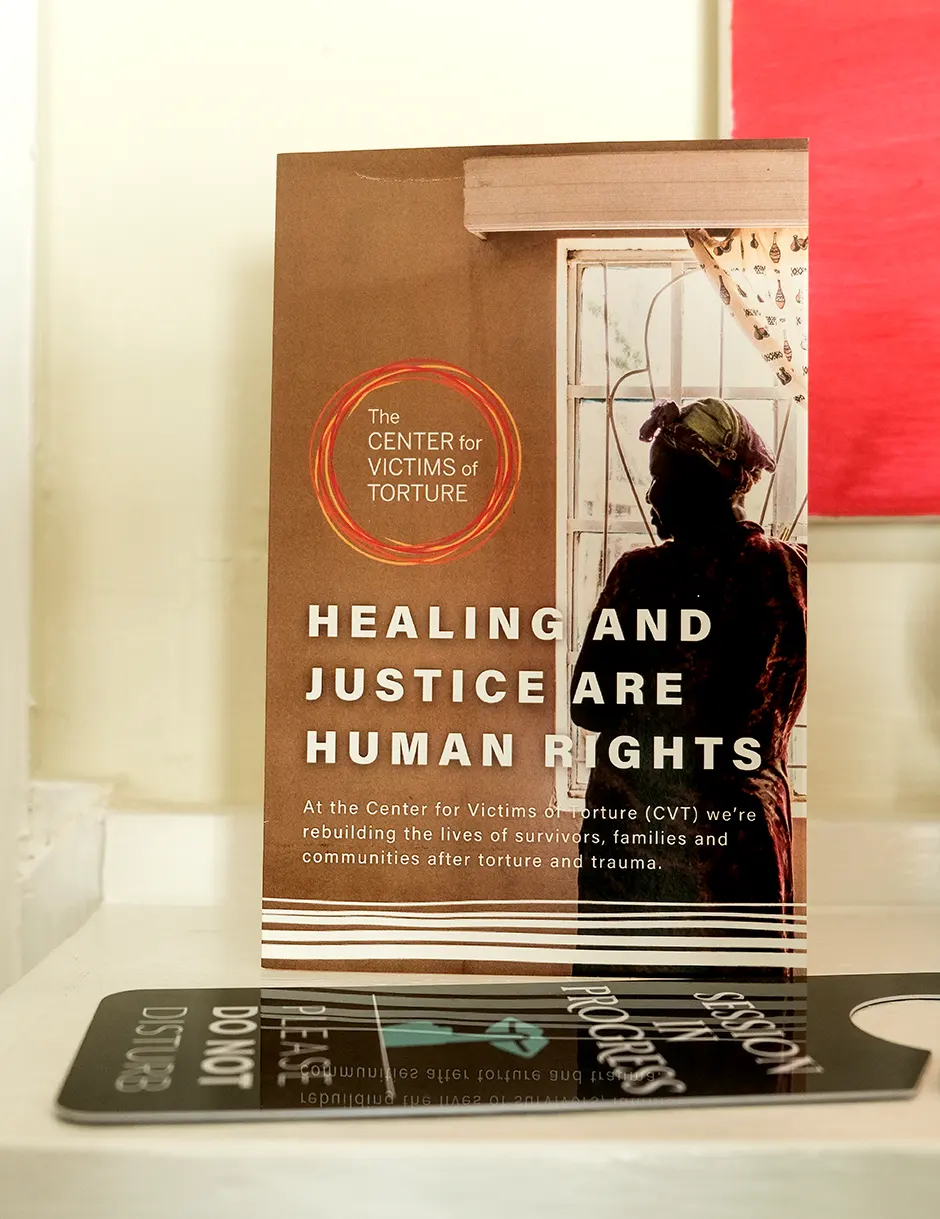
Access to psychiatric care is even more limited. Léonce Byimana, director of U.S. clinical programs at the Center for Victims of Torture (CVT), including Georgia, emphasizes that structural barriers—including cost and limited organizational capacity—prevent those with the most severe needs from receiving care.
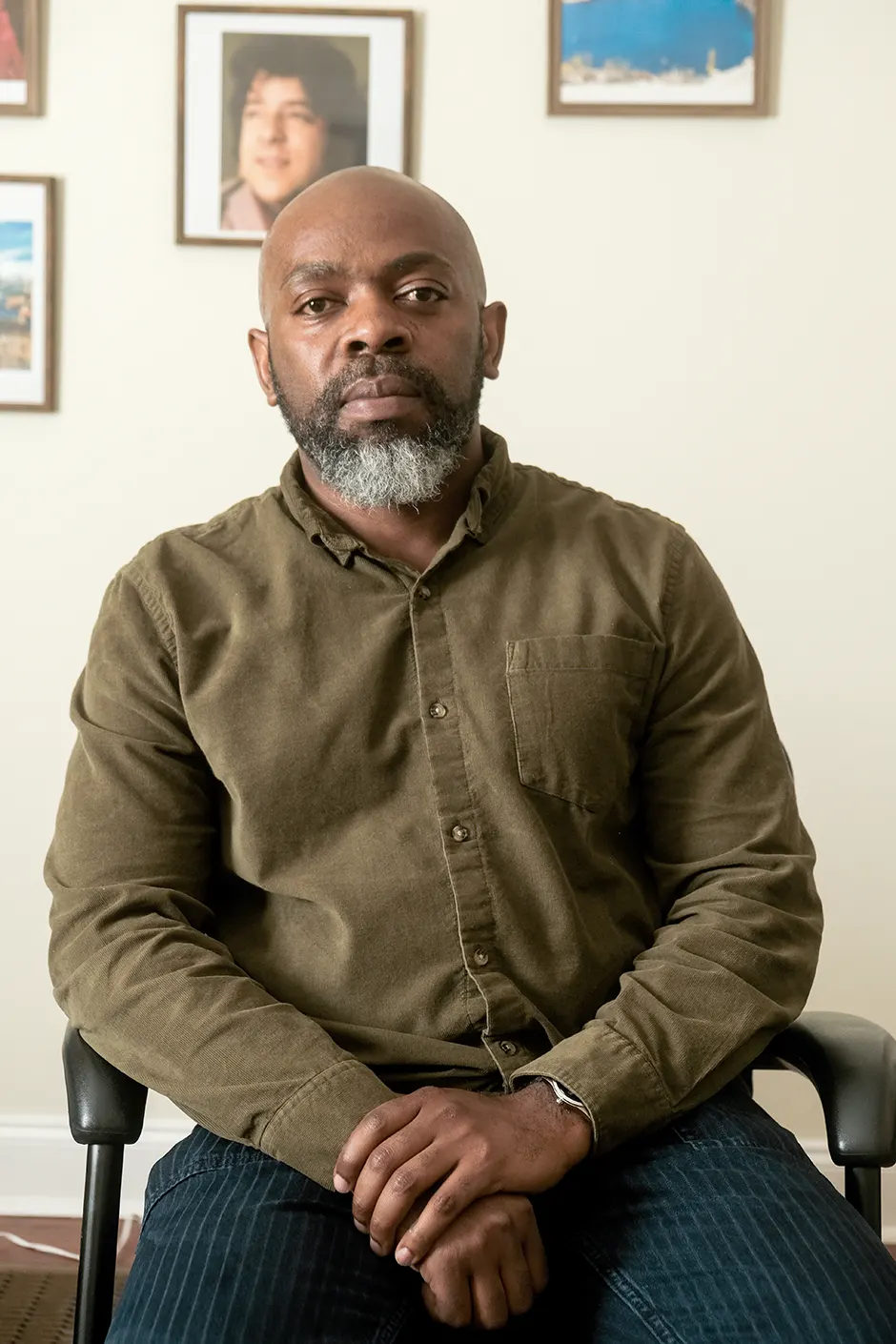
“For people who come to us needing services, especially those with psychiatric conditions, we often have to refer them elsewhere,” he says. “But where do you send them if they don’t have insurance? Those are the people who need immediate care, and they fall through the cracks.”
In Clarkston, where more than 60 languages are spoken within a single square mile, finding culturally competent providers is another challenge. Smith recalls struggling to find a specialist for a client who needed specific treatment in their native language.
“If this were an American with resources, it would have been an easy referral,” she says. “But I never found someone.”
These challenges are longstanding, though recent policy shifts have intensified them. The second Trump administration has had an immediate impact on this community, where mental health needs are rising even as access to safety net programs contracts. (The administration’s One Big Beautiful Bill slashed funding for refugee benefits such as Medicaid.)
When Canopy Atlanta first spoke with Oriakhil in the fall, she said 2025 had already been the hardest year yet. More recently, as reports spread of ICE detaining legally protected asylum seekers, and following aggressive ICE raids in Minneapolis that left two Americans dead, anxiety has surged even further.
Dr. Adaobi Iheduru, a local clinical psychologist and former CVT staff member, says the current climate of uncertainty has made providing care even more difficult.
“We recently had a client whose employer threatened to call immigration on them,” she says. “Another client’s child was threatened on a school bus with harsh comments about deportation. These ongoing experiences affect our clients’ ability to focus on their well-being and engage in treatment.”
In recent weeks, Oriakhil has encountered pregnant women afraid to attend prenatal appointments or deliver in hospitals, as well as parents reluctant to send their children to school. She says schools have even contacted her organization, asking them to encourage parents not to discuss ICE in front of their children, who then bring those fears into the classroom.
At one recent community session, a man shared that in his home country, he feared leaving his family each day, worried it might be the last time he saw them.
“He said, ‘Finally, we made it here, to the United States, a country where we dreamed of building a life and a future for our children. But now I have the same fear again,’” Oriakhil recalls. “It is hard to hear stories like that and see people losing hope—feeling like their dignity is in question.”

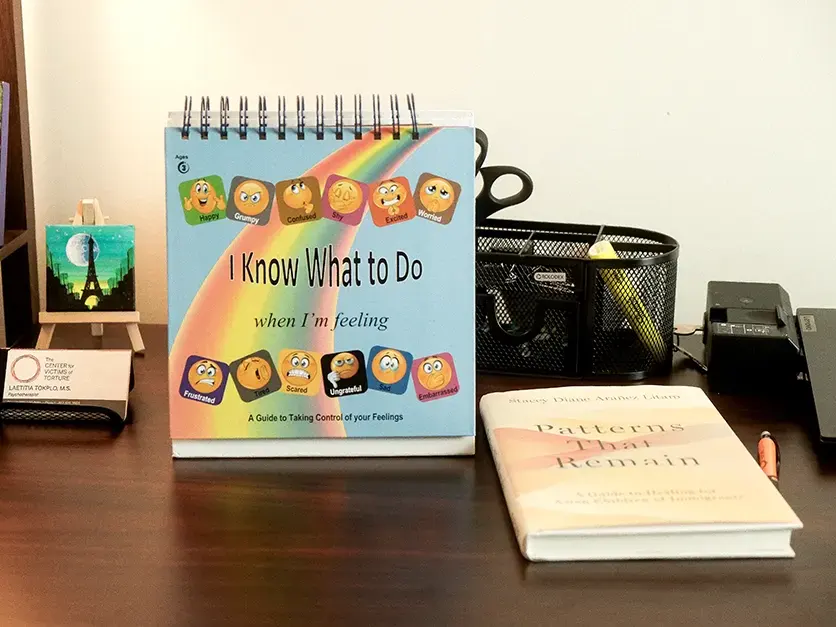
Providers face an increasingly uphill battle as funding dwindles, enforcement intensifies, and patients question their safety in a political landscape centered on removing people like them. And yet, they continue to show up for their communities.
With federal funding for large resettlement organizations slashed, smaller groups have stepped in to fill the gaps, organizing information sessions and facilitating conversations with immigration attorneys. But meeting such overwhelming needs with limited resources has pushed many to the brink of burnout.
For community leaders like Oriakhil, not having answers to questions like “Are we safe?” is a heavy burden.
“It puts a lot of pressure on you,” she says. “And that pain . . . you carry it with you.”
Smith and Oriakhil recall being pulled aside during Embrace’s moms circle meetings by participants asking whether it was safe to send their children to school or even go grocery shopping.
“I remember one woman saying, ‘I can’t go back, I can’t go back,’” Smith recalls. “She kept repeating it. ‘I have nothing there.’ She was looking to me for reassurance that she wouldn’t be sent back—and I couldn’t give it to her.”
“Being a service provider in this community means carrying each person’s trauma with you,” Oriakhil says. “I live with those stories. That weight stays with you.”
Still, she tries to offer what comfort she can.
“I tell people: Keep your faith. There are many people in this country who care about you. A group of individuals does not represent all of America. We have survived similar moments before, and we will get through this one too. This is temporary. Keep your faith—and keep yourself safe.”

Editor: Ann Hill Bond
Copy Editor: Christina Lee
Fact Checker: J.P. Irie
Canopy Atlanta Reader: Genia Billingsley
I hope this story leaves you inspired by the power of community-focused journalism. Here at Canopy Atlanta, we're driven by a unique mission: to uncover and amplify the voices and stories that often go unheard in traditional newsrooms.
Our nonprofit model allows us to prioritize meaningful journalism that truly serves the needs of our community. We're dedicated to providing you with insightful, thought-provoking stories that shed light on the issues and stories that matter most to neighborhoods across Atlanta.
By supporting our newsroom, you're not just supporting journalism – you're investing in Atlanta. Small and large donations enable us to continue our vital work of uncovering stories in underrepresented communities, stories that deserve to be told and heard.
From Bankhead to South DeKalb to Norcross, I believe in the power of our journalism and the impact it can have on our city.
If you can, please consider supporting us with a small gift today. Your support is vital to continuing our mission.
Floyd Hall, co-founder